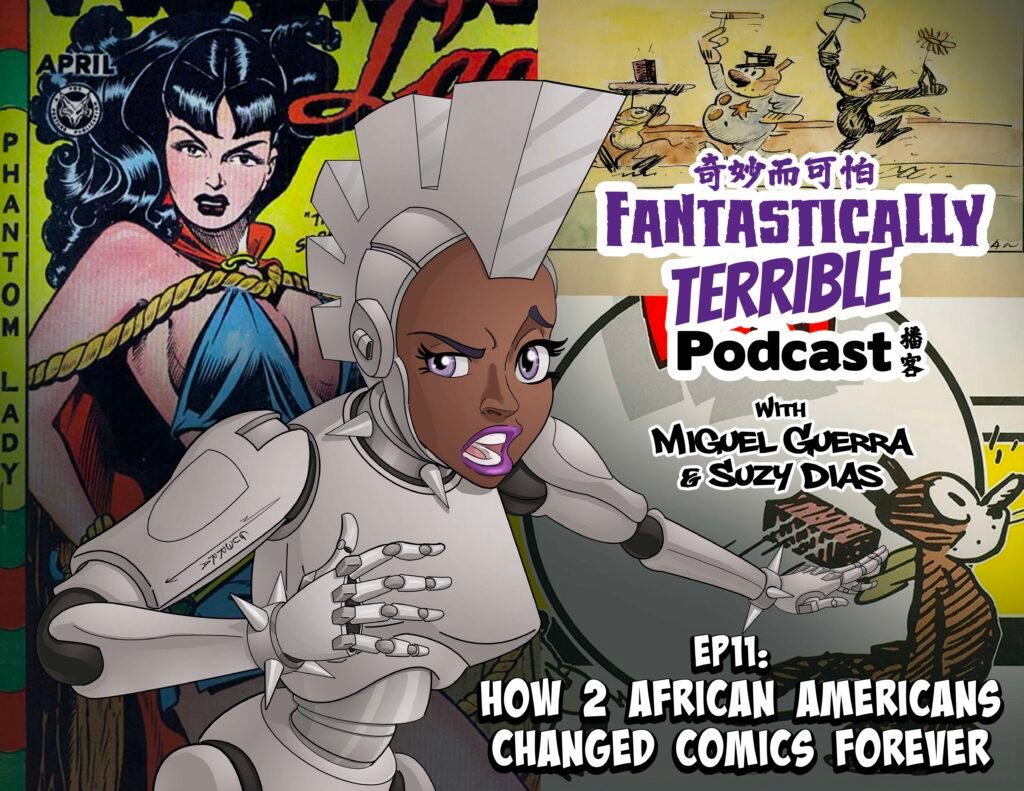
Fantastically Terrible Podcast Ep11: How 2 African Americans changed comics forever
Listen here…
🎬 YouTube https://www.youtube.com/7Robotsinc
🎤︎︎ SoundCloud https://soundcloud.com/7robotspodcast
🎧◝(^⌣^)◜ If you enjoyed the show, give us a LIKE and SUBSCRIBE! We’ll personally thank you live on the show. We truly appreciate our listeners. After all, you don’t have to be here, but you came anyway. So, Hi! Ain’t the universe amazing?
George Herriman (1880-1944)
“George Herriman, (born August 20, 1880, New Orleans, Louisiana, U.S.—died April 25, 1944, Hollywood, Los Angeles, California), American cartoonist who created Krazy Kat, a comic strip whose originality in terms of fantasy, drawing, and dialogue was of such high order that many consider it the finest strip ever produced.” [read more…]
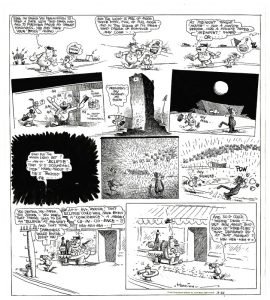
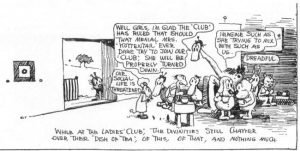
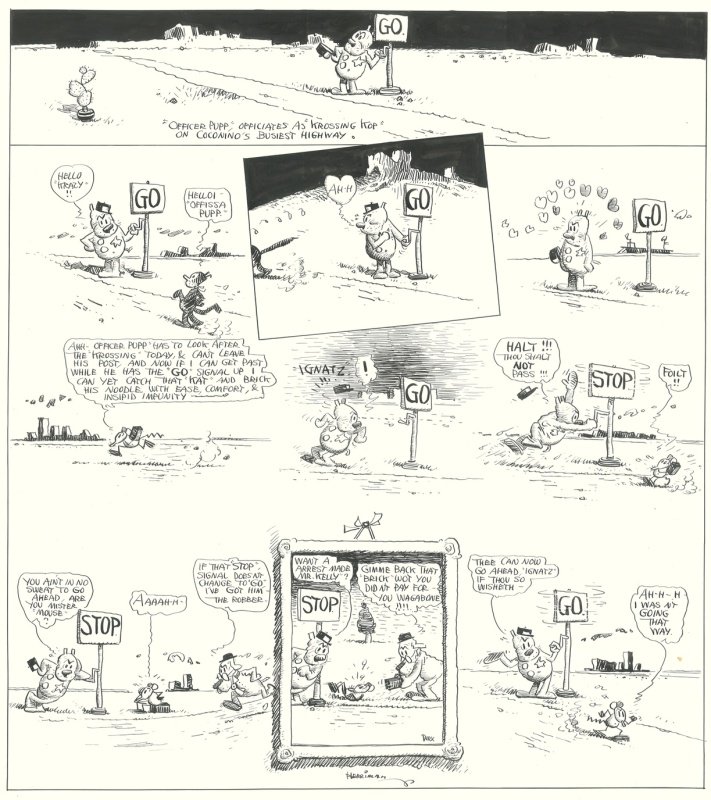
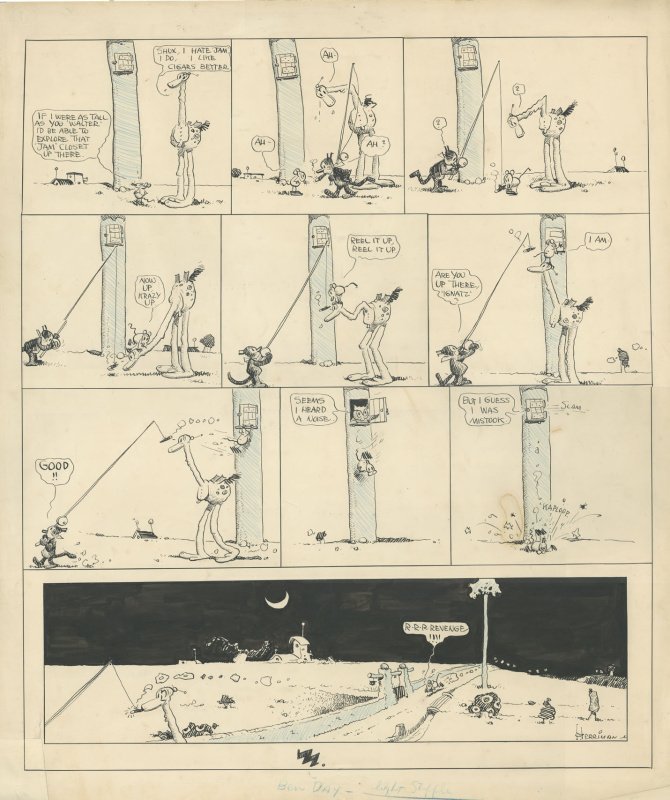
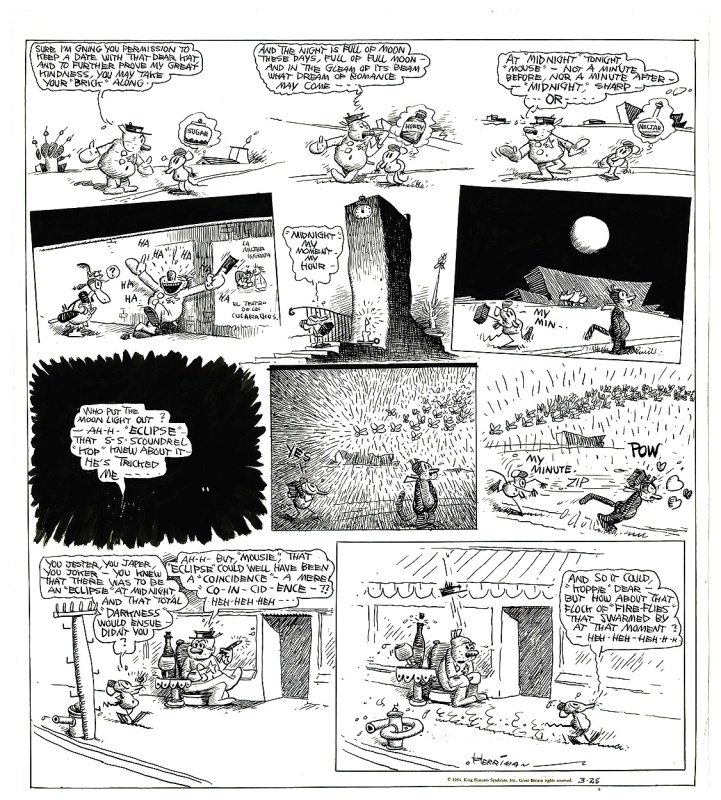
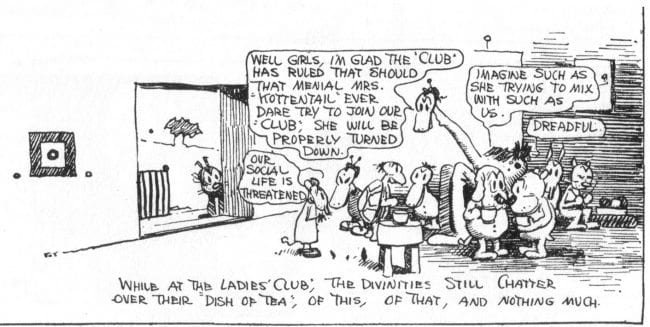
Krazy Kat, which ran from 1913 to 1944, featured a goofy, loose-limbed feline who was an original among the comic strips and cartoons of his era. Krazy Kat was an icon of the 20th century — the magazine Vanity Fair called Herriman’s humor and originality “comparable only to Alice in Wonderland. ” “Genius” is how Stan Lee, the creator of Spider-Man, described Herriman, who also inspired Charles Schulz (“Peanuts”), Walt Disney and Theodor Geisel (Dr. Seuss). R. Crumb called Herriman the “Leonardo da Vinci of comics.”…
Author [Michael] Tisserand builds a strong case for Herriman’s reach and influence as a cartoonist and illustrator. He delivered the product of his genius to newspaper readers daily for almost 50 years, especially in 10,000 Krazy Kat comic strips and 1,500 full-page illustrations. Tisserand includes 80 of Herriman’s drawings, and notes that Fantagraphics Books in Seattle published all the Krazy Kat strips in 2008.” [read more…]
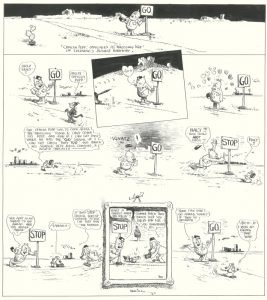
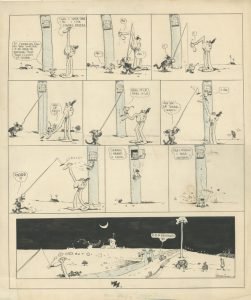
Krazy Kat (1913 – 1944)
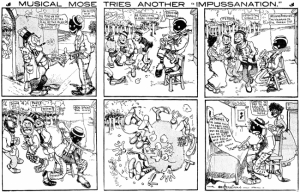
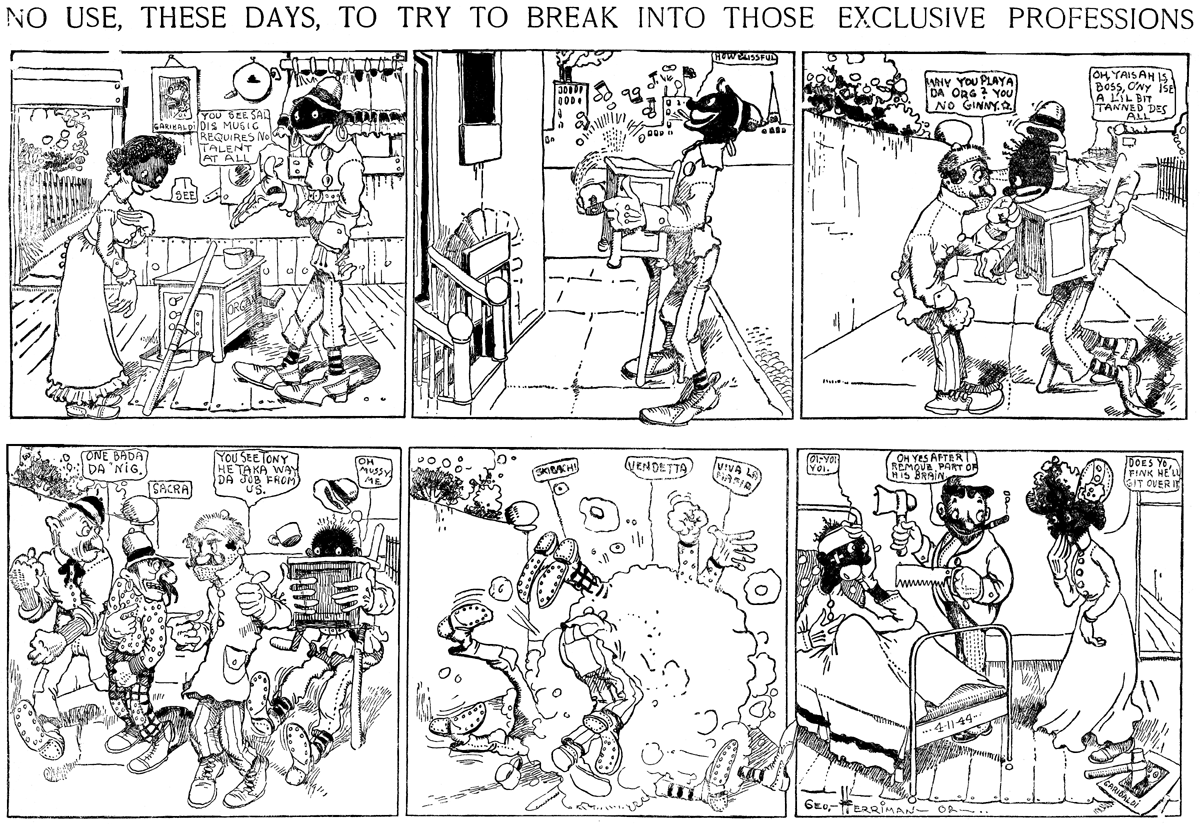
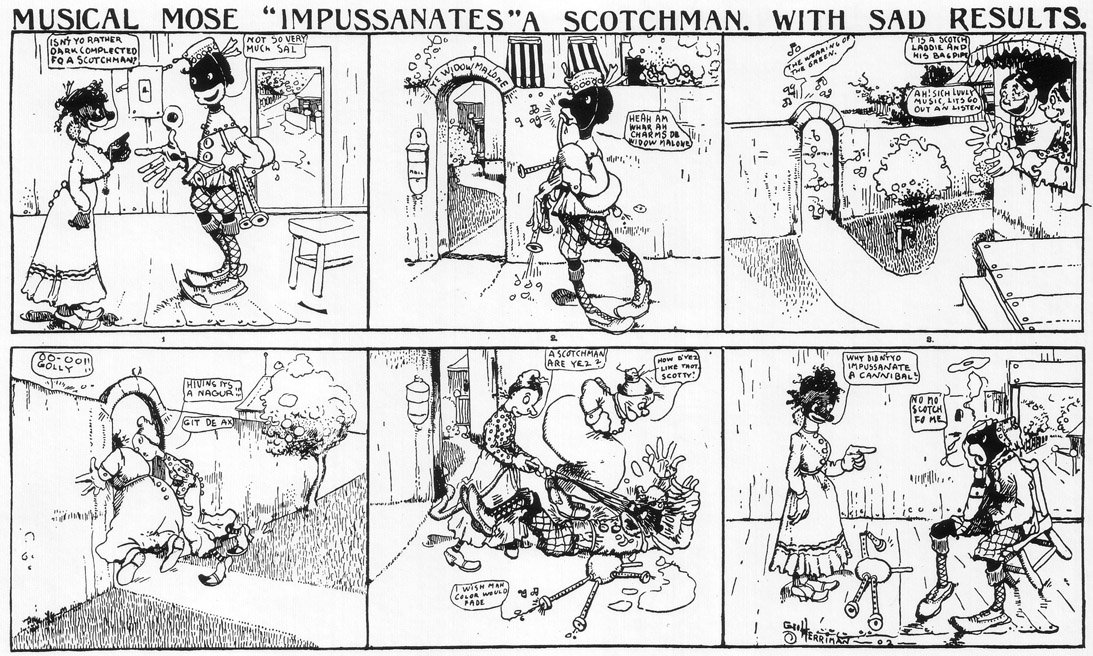
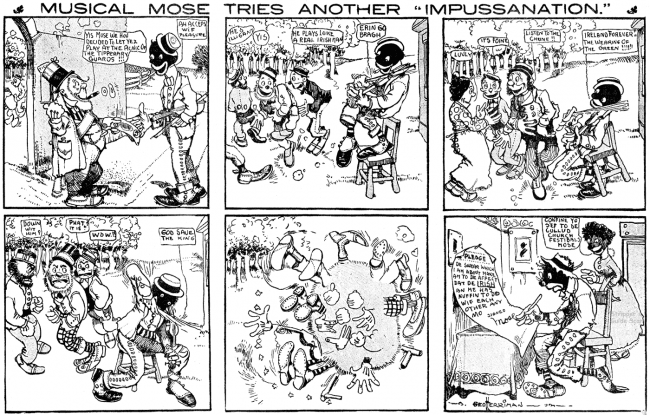
Musical Mose (1902)
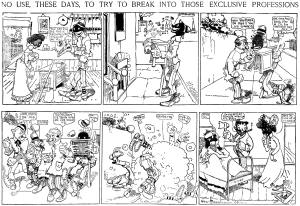
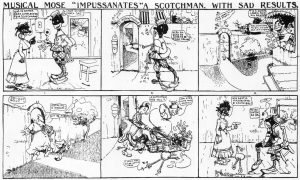
Musical Mose was a short-lived comic strip that featured a black musician who embarked on various humorous adventures and impersonation. The series touched on Musical Mose’s ability to adopt different social identities through his musical talent. The series challenges conventional white supremacy and added complexity to the main character dealing with a racial hierarchy in his own way. [read more…]
Matt Baker (1921-1959)
Al Feldstein said “Part of Matt’s problem, I feel in retrospect, was due to a basic and despicable problem prevalent in America during the early post-war period,” “Racial bias and racial inequality. Matt was a black man. He was a rare phenomenon in an industry almost totally dominated by white males. However, he was extremely talented, and it was his talent that overcame any resistance to his presence based on racial bias. But I feel that Matt personally was acutely aware of the perceived chasm that separated him from the rest of us. And it may be that because of that perceived problem there is little known about Matt Baker, aside from his stunning artwork that speaks for himself.” [read more…]
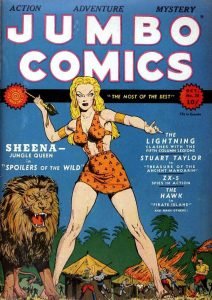
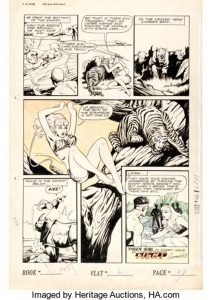
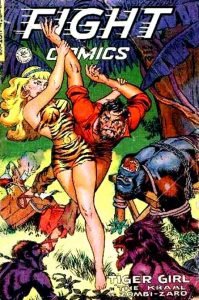
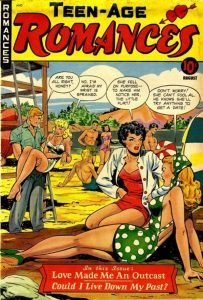
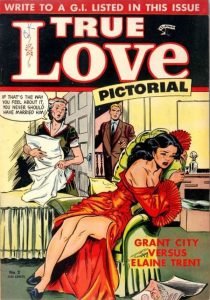
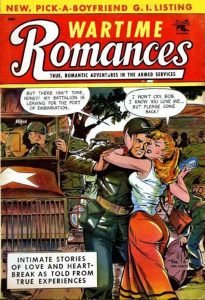
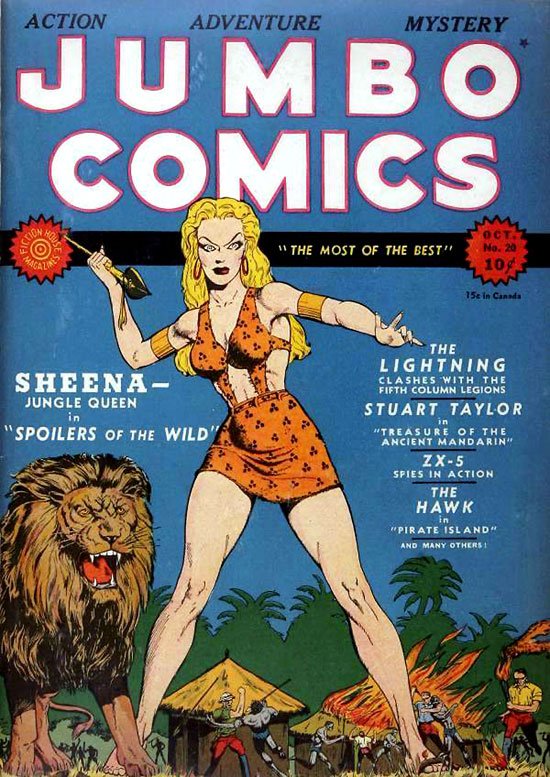
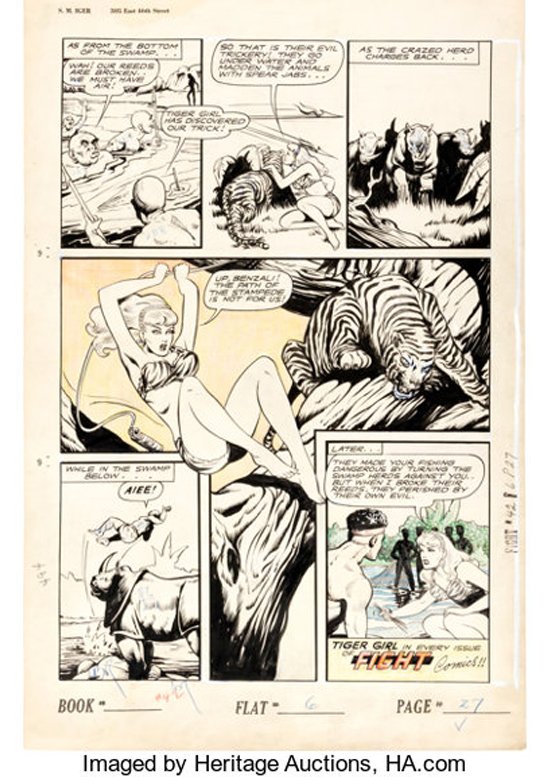
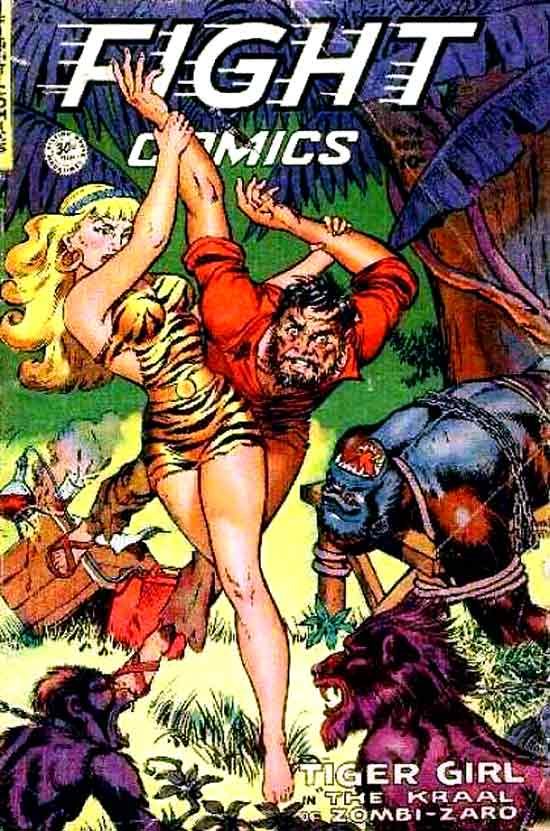
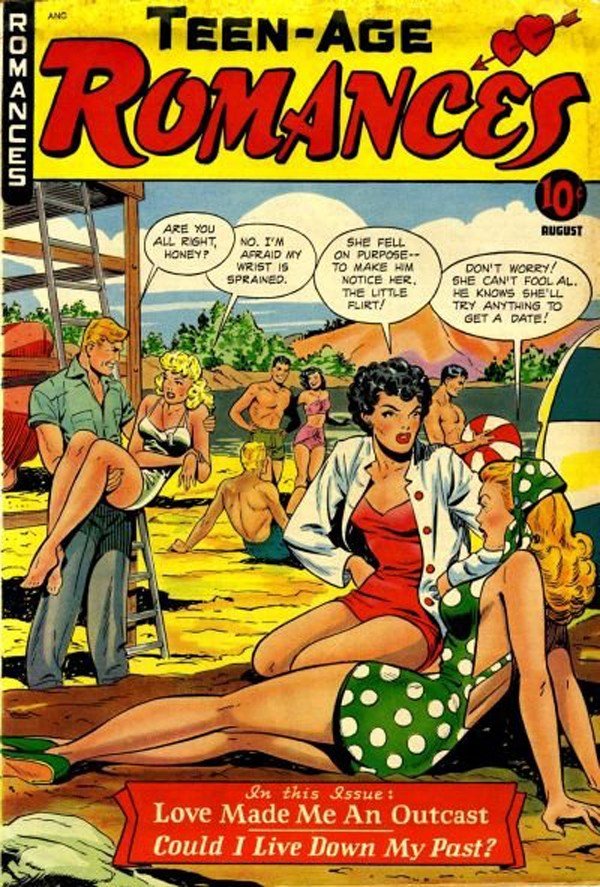
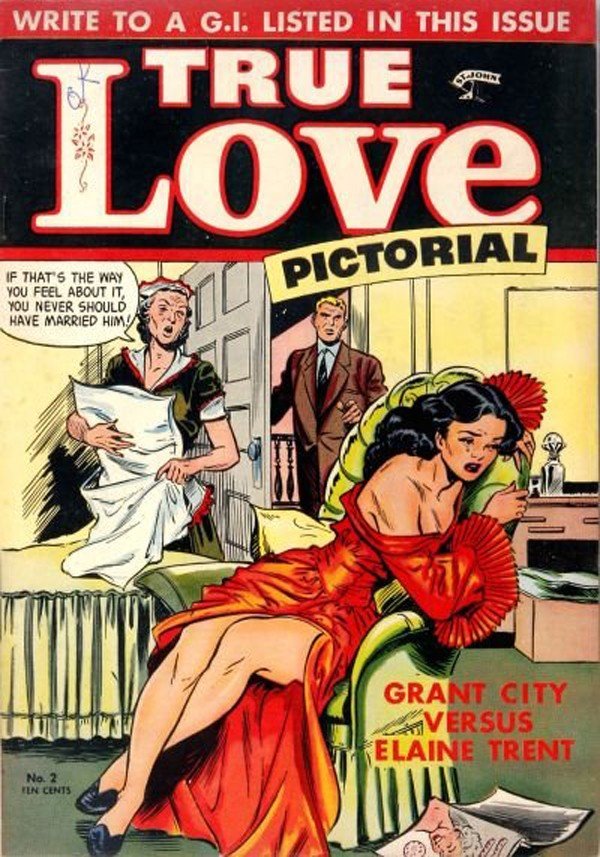
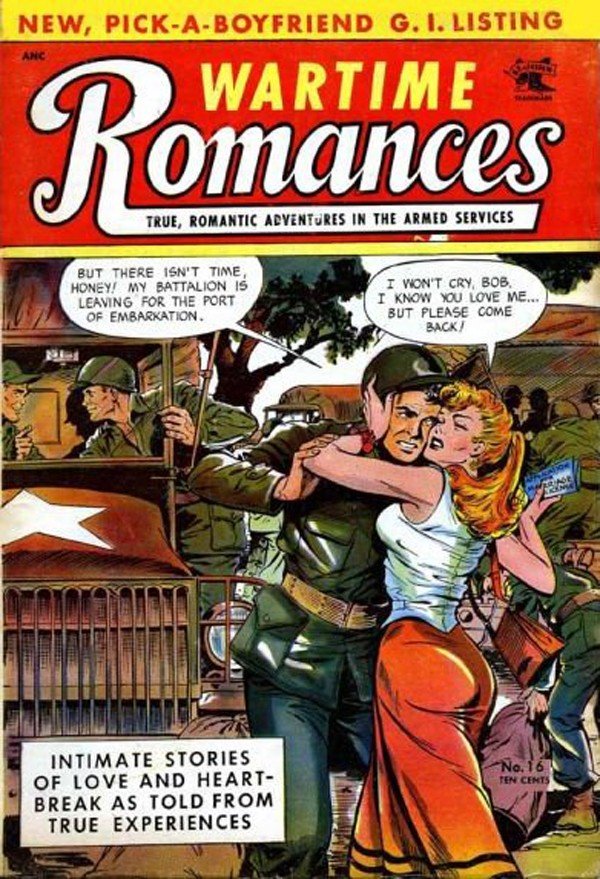
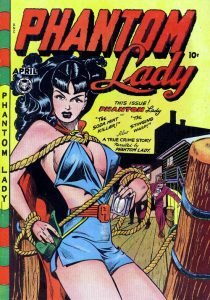
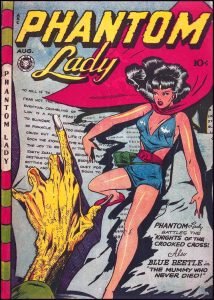
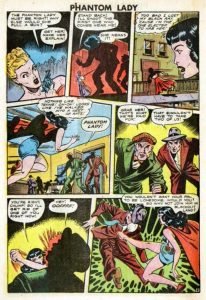
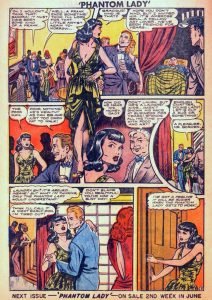
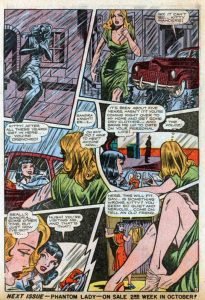
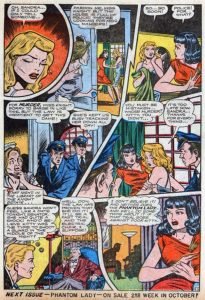
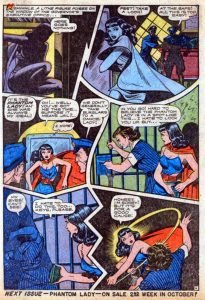
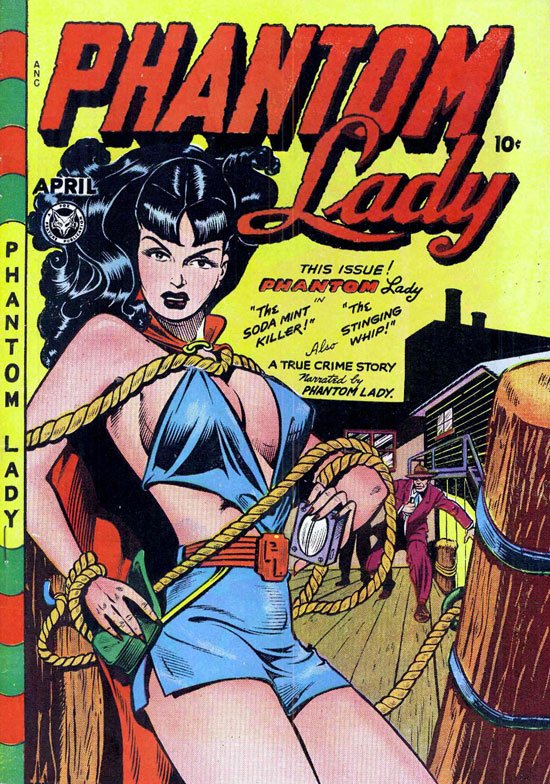
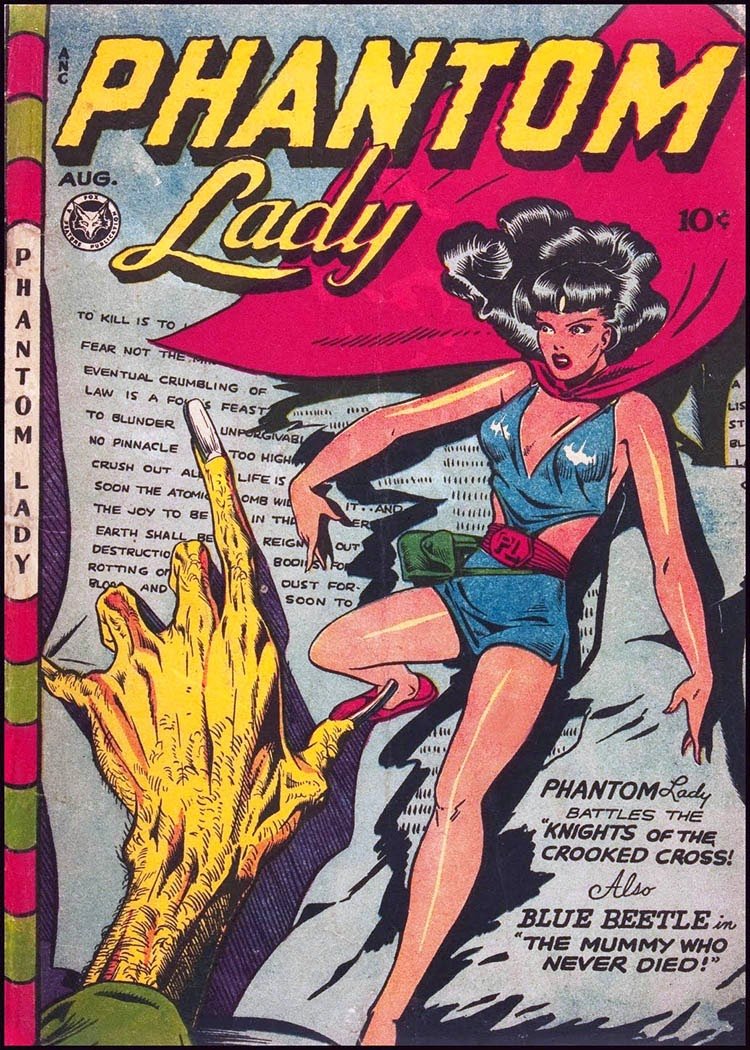
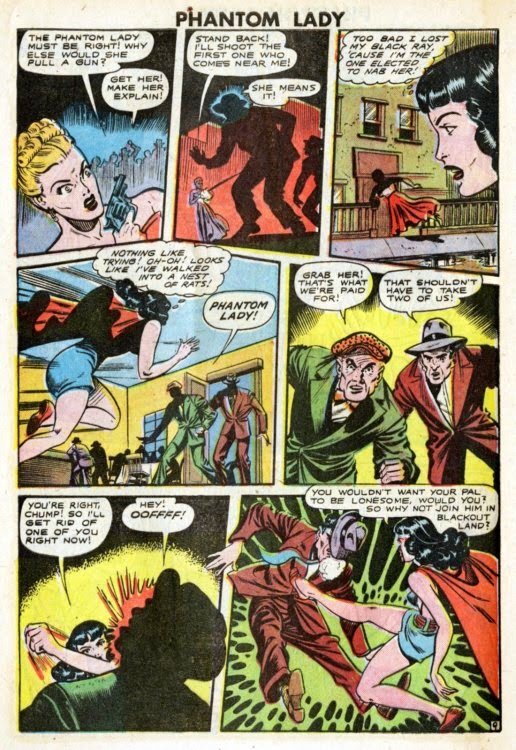
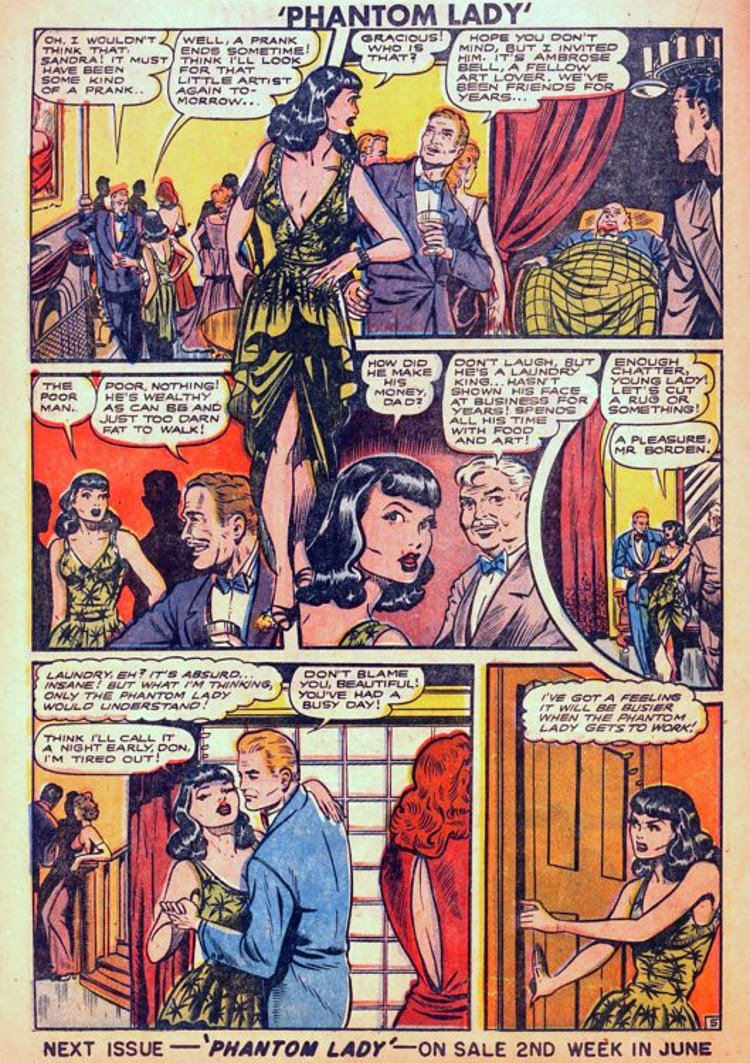
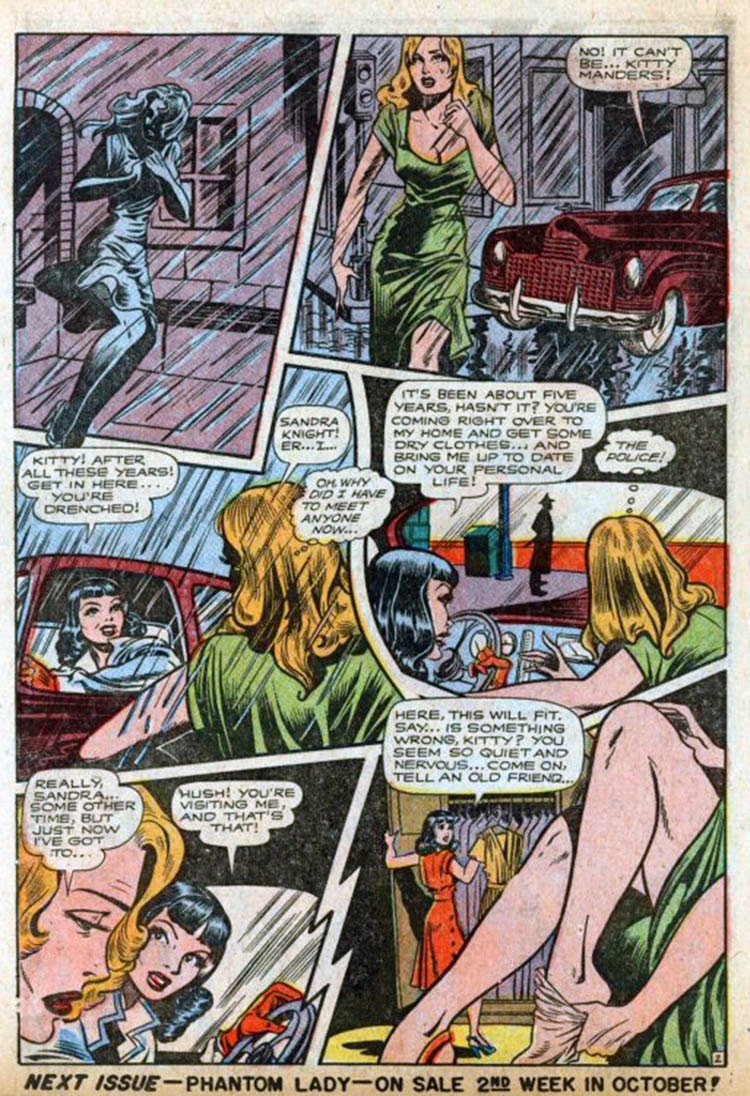
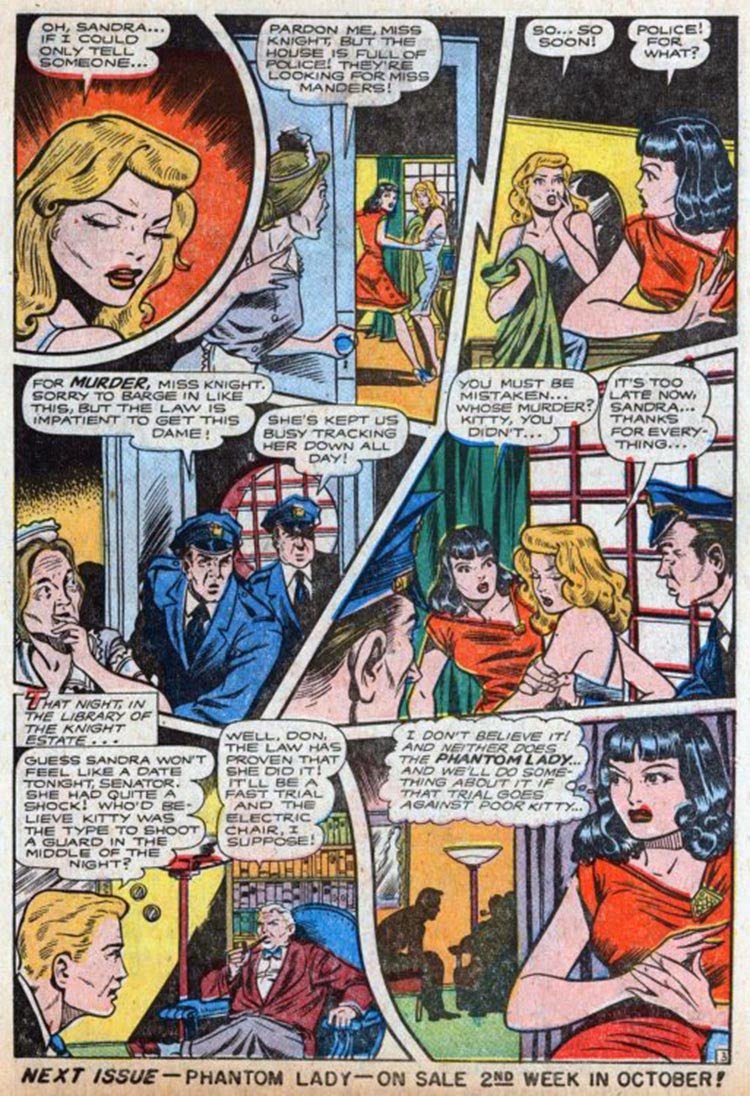
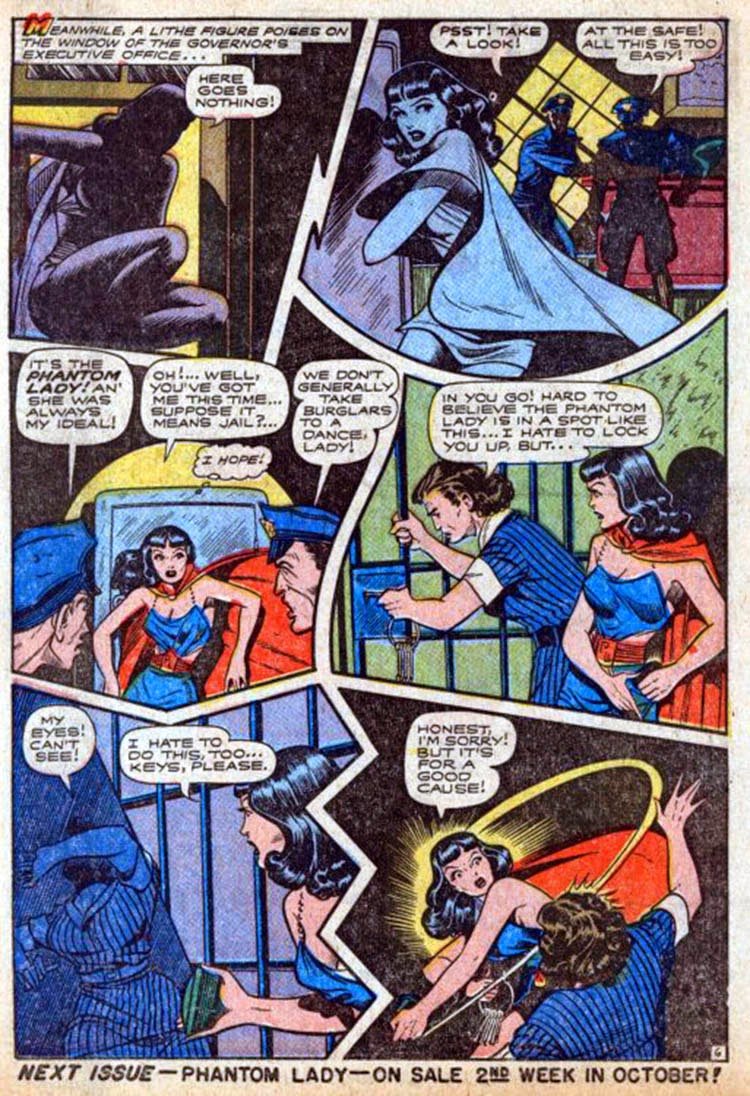
Matt Baker’s Phantom Lady
“Though a scantily clad, sexy heroine, the Phantom Lady was really a girl friendly comic with lots of positive images of strong women. She would often save men and women from the clutches of bad people using her superior fighting skills…Matt was equally skilled at depicting women’s fashion of the time. He would dress his characters up to the hilt in elegant evening wear but was equally well at depict his characters in casual wear or swim fashions of the day.” [read more…]
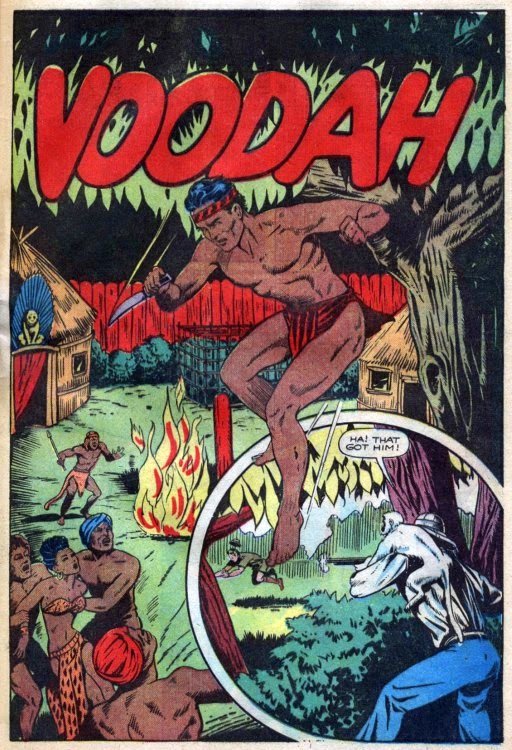
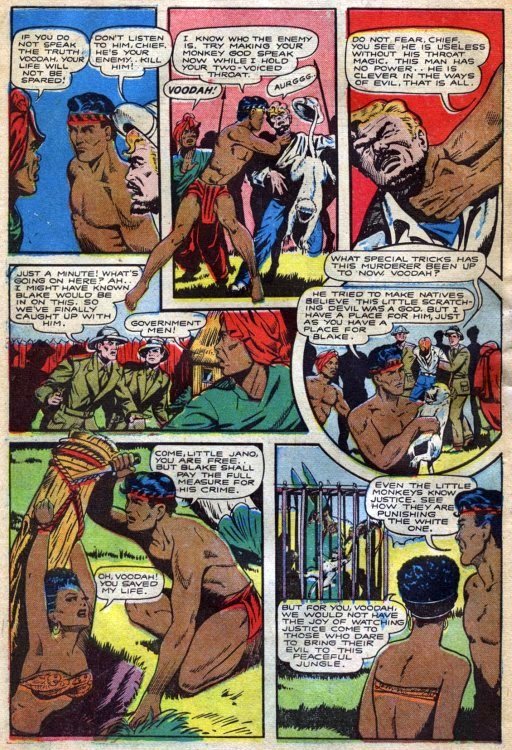
Matt Baker’s Voodah : 1st Black Superhero
Before Black Panther (1966), The Falcon (1969) and even Lion Man (1947), there was Matt Baker’s Voodah for Crown Comics in 1945. “What was ironic about it, is, on the cover, Voodah, the same character, was colored white,” Quattro says, saying the rationale at the time was that businesses might be reluctant to put a comic book with a Black character on the cover on the newsstand. “What they would do is, they’d have a white Voodah on the cover, but he’d be colored black inside it.”
But the erasure didn’t stop there for Voodah. “After six issues, inside, he became White, too.” [read more…]
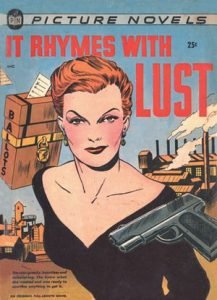
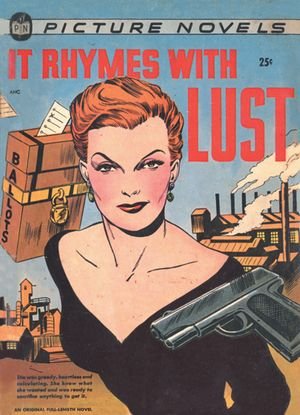
It Rhymes with Lust : 1st Graphic Novel
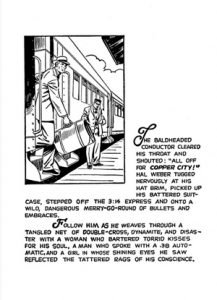
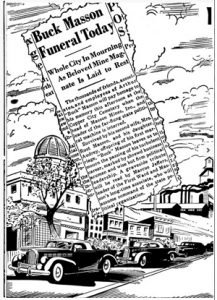
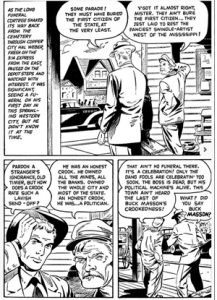
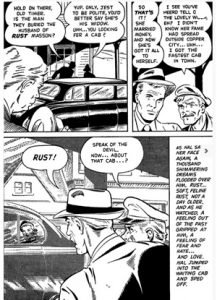
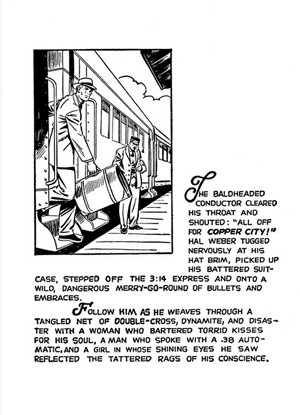
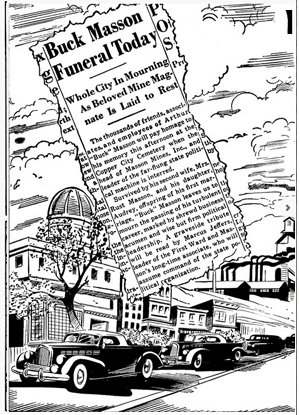
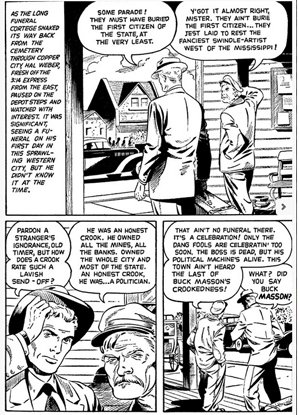
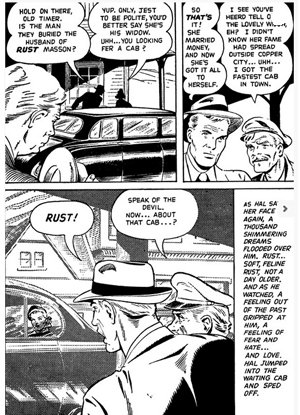
“In 1950, writers Arnold Drake and Leslie Waller, both attending college on the G.I. Bill, envisioned a sophisticated, novel-length comic tailored to their peers. Collaborating with comics art master Matt Baker, known for singularly defining the genre of “good girl art” on titles such as Phantom Lady, they crafted a film-noir inspired masterwork of romance, intrigue, and moral relativity. When cynical newspaperman Hal Weber reunites with old flame Rust Masson, he finds the beguiling widow of a mining magnate willing to do anything to undermine the local political machine–her only opponent for total control of Copper City!” [read more…]
Deep dive…
Learn more…
★ A Tale Which Must Never Be Told: A New Biography of George Herriman (LA Review of Books)
★ George Herriman American cartoonist (watch some animated shorts)
★ George Herriman (wiki)
★ ‘Now Listen Mabel’ — by Herriman (1919)
★ Krazy: George Herriman, a Life in Black and White by Michael Tisserand
★ “Invisible Men: The Trailblazing Black Artists of Comic Books” by Ken Quattro
★ ‘Invisible Men’ chronicles pioneering Black artists of the early comic book industry
★ Invisibly Black: A Life of George Herriman, Creator of Krazy Kat (NY Times)
★ Ken Quattro: Researching and Writing About Overlooked Comics History (Writer’s Digest)
★ How a 15-year quest to find the work of Black comic book artists became ‘Invisible Men’ (Mercury News)
★ Is George Herriman the Greatest American Visual Artist?
★ The Gender Fluidity of Krazy Kat
★ Krazy Kat: Modernism and Influence
★ Matt Baker – First Black Comic Artist
★ The Ten-Cent Plague: The Great Comic-Book Scare and How It Changed America
★ Review of Krazy: George Herriman, A Life in Black and White
★ Matt Baker: The Great Comic Book Heroes (many comic pages)
★ Les auteurs de pin-ups des Comic Books, des années 30 jusqu’au Comics Code…
★ George Herriman art collection
★ All-Negro Comics (1947)
★ A Brief 75-Year History Lesson on Black Superheroes in Comic Books (but they forgot Voodah)
History
★ Jim Crow Laws (1865 – 1968)
★ The End of Louisiana’s “Jim Crow Jury” (1898 – 2018)
★ How the Nazis Were Inspired by Jim Crow
★ Unanimous is Not Enough Report: The true history of Jim Crow laws in Louisiana
★ Wilmington insurrection of 1898
★ How the Black Codes Limited African American Progress After the Civil War
★ Jim Crow (timeline from South Carolina)
★ The Charleston Race Riot of 1919
★ The Jim Crow North (up until the 1970s)
★ Demand for School Integration Leads to Massive 1964 Boycott — In New York City
★ The New York Town That Tried to Stop Desegregation (1966)
★ Violence erupts in Boston over desegregation busing (1974)
★ A Flag, a Busing Fight, and a Famous Photograph Louis Masur (Boston 1976)
★ New York State’s Extreme School Segregation: Inequality, Inaction and a Damaged Future (2014)
Book Banning
★ Comic Book Legal Defense Fund
★ 11 Challenged and Banned Comics
Free comics!