
Fantastically Terrible Podcast Ep24: Alexandre Dumas was Black

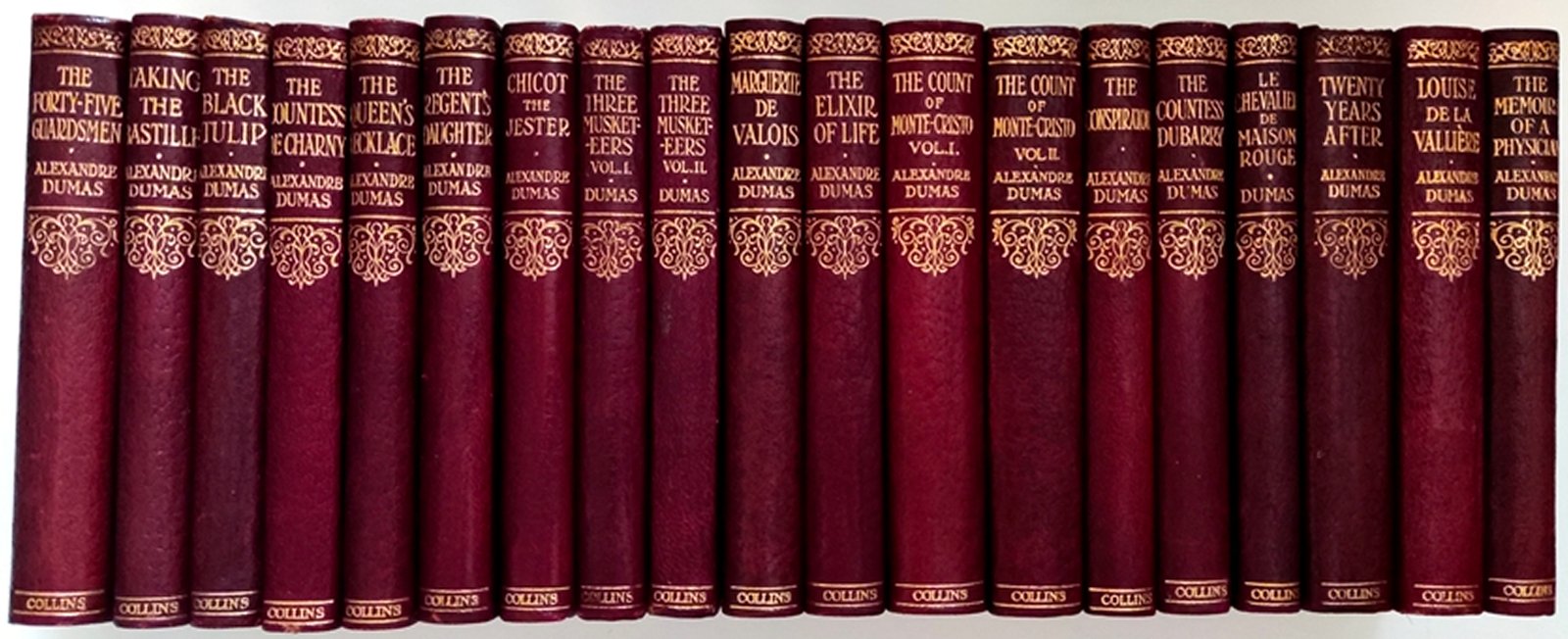
Listen here…
🎬 YouTube https://www.youtube.com/7Robotsinc
🎤︎︎ SoundCloud https://soundcloud.com/7robotspodcast
🎧◝(^⌣^)◜ If you enjoyed the show, give us a LIKE and SUBSCRIBE! We truly appreciate our listeners. After all, you don’t have to be here, but you came anyway. So, Hi! Ain’t the universe amazing?
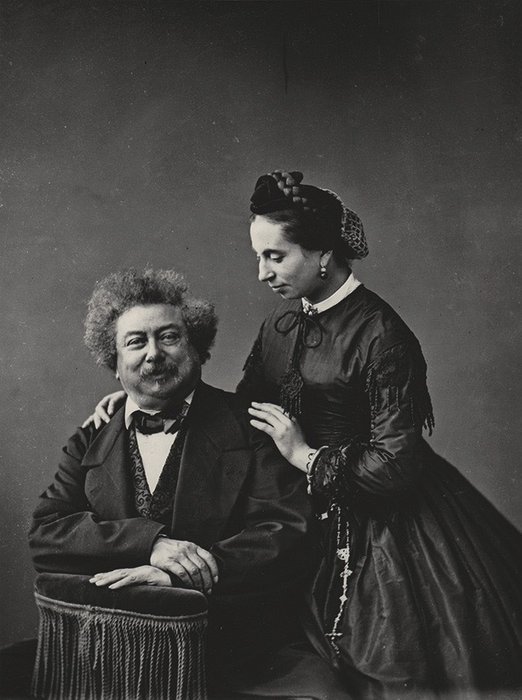
Alexandre Dumas early Years
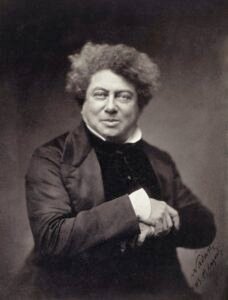
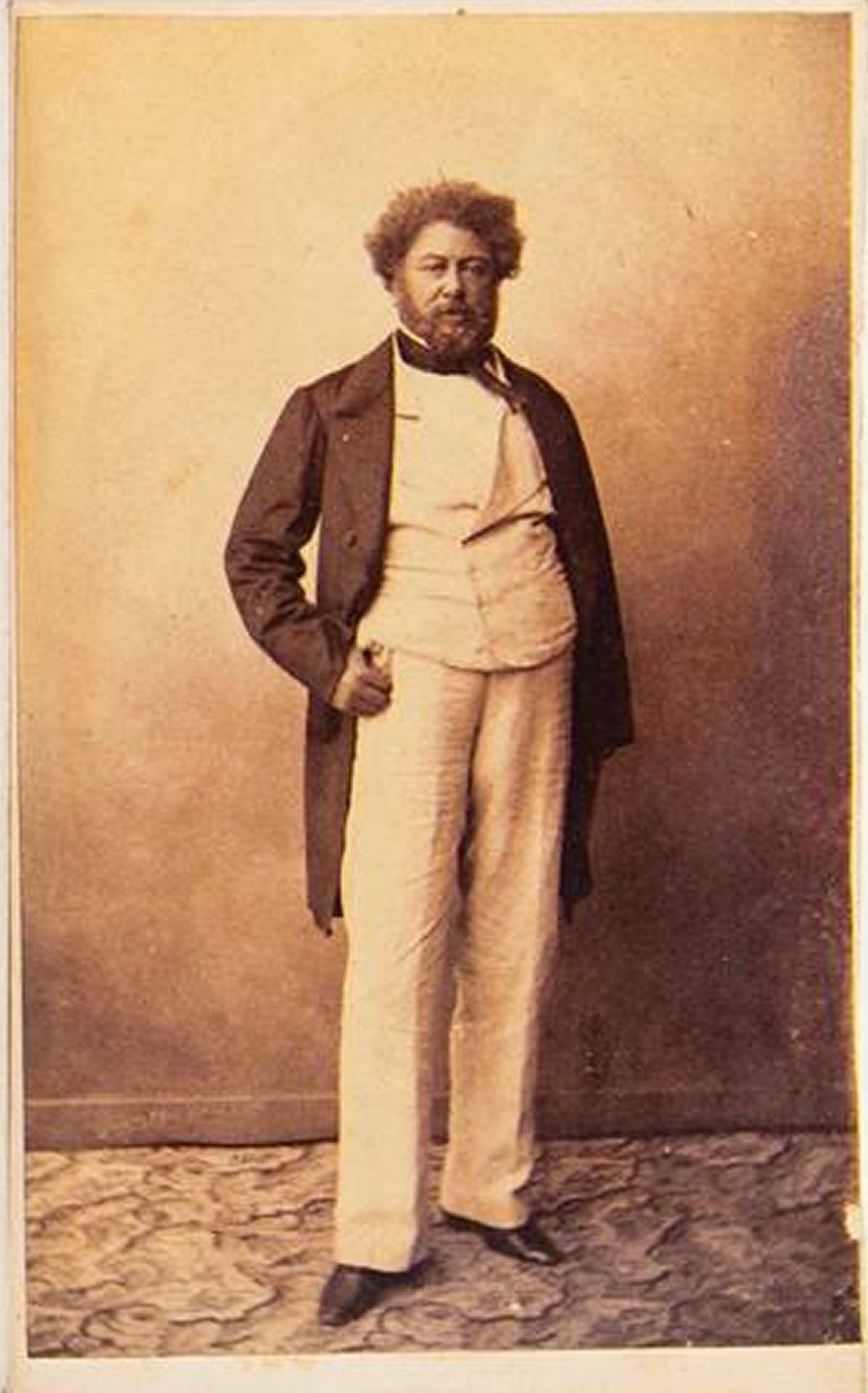
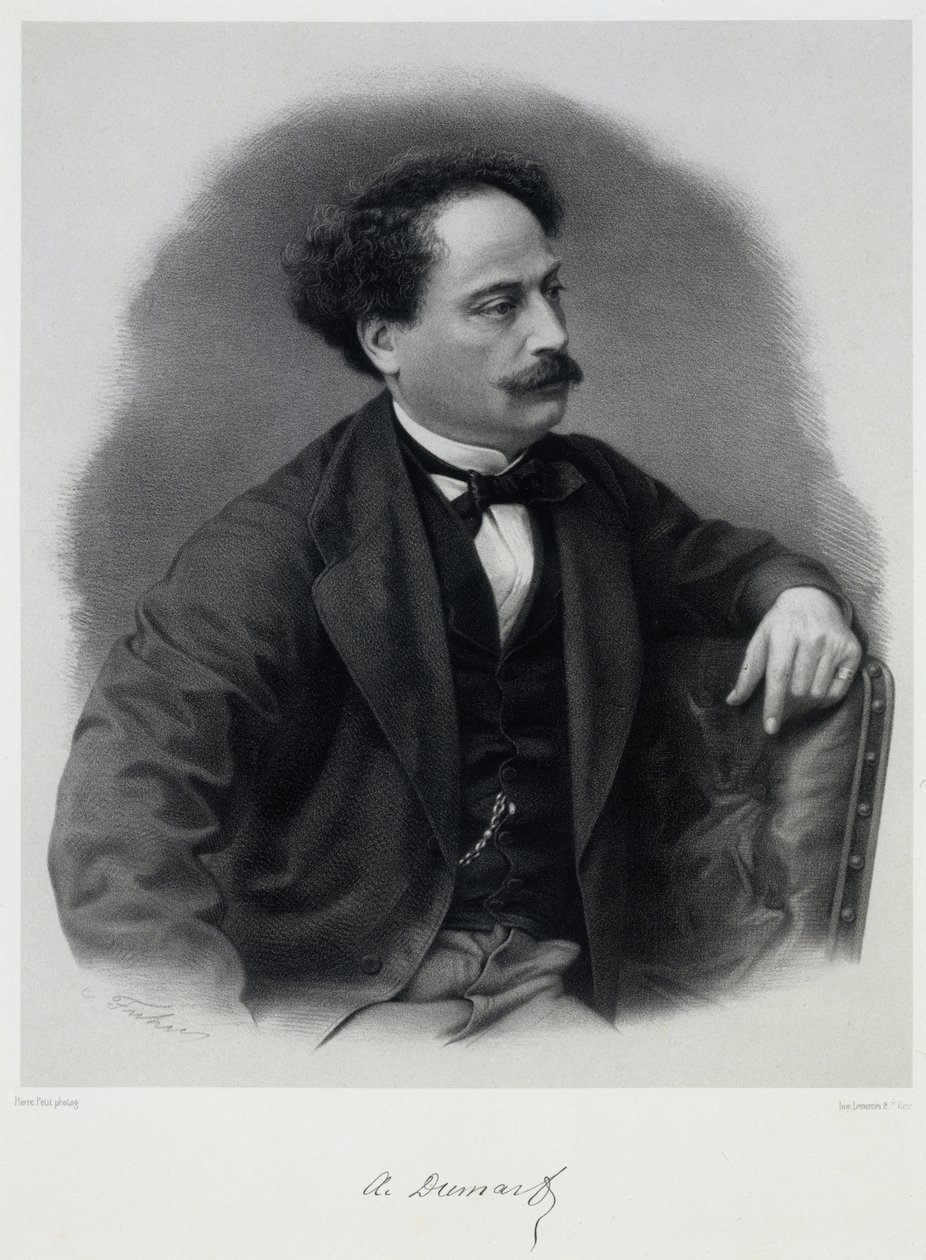
Alexandre Dumas was born Alexandre Dumas Davy de la Pailleterie on July 24, 1802 in Picardie, France. His father was General Thomas-Alexandre Dumas, born in Haiti in 1762 (then the French colony of Saint-Domingue). His paternal grandparents were Marie-Cessette Dumas, an enslaved African-Haitian woman, and Marquis Alexandre Antoine Davy de la Pailleterie, a minor French nobleman. Just as his father had done, Alexandre refused his grandfather’s surname, preferring to go use Dumas. Alexandre’s mother was Marie-Louise Élisabeth Labouret, the daughter of an innkeeper. He had two older sisters, Marie-Alexandrine (born 1794) and Louise-Alexandrine (born around 1796).
From Biography:
“In 1822, Dumas moved to Paris and immersed himself in literature. He worked as a scribe for the duc d’Orléans (later named King Louis Philippe) during the 1830 revolution. He began writing plays, both comedies and dramas. Dumas’s Romantic style — often compared to that of his contemporary and rival, Victor Hugo — proved to be exceptionally popular.
Dumas was a prolific writer of essays, short stories and novels, as well as plays and travelogues. His interests also encompassed crime and scandals and wrote eight volumes of essays on infamous cases in history such as that of Lucrezia Borgia and Cesare Borgia, and names more contemporary to his time, like Karl Ludwig Sand. But he achieved widespread success with his novels The Count of Monte Cristo and The Three Musketeers, initially published as serials. The Three Musketeers was one of three novels in his D’Artagnan Romances, the others being Twenty Years After and The Vicomte of Bragelonne: Ten Years Later. The story “The Man in the Iron Mask” from Le Vicomte de Bragelonne, also stands out as one his most widely known. Among his many volumes of romantic novels are the series of Valois, which center on Queen Marguerite, the last in the Capetian dynasty, and eight novels dubbed the Marie Antoinette romances. He also penned the fantasy novel The Wolf Leader, which is considered one of the earliest werewolf-themed books. The popularity of his writing made Dumas a household name in France and a celebrity throughout much of Europe.
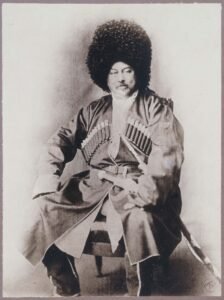
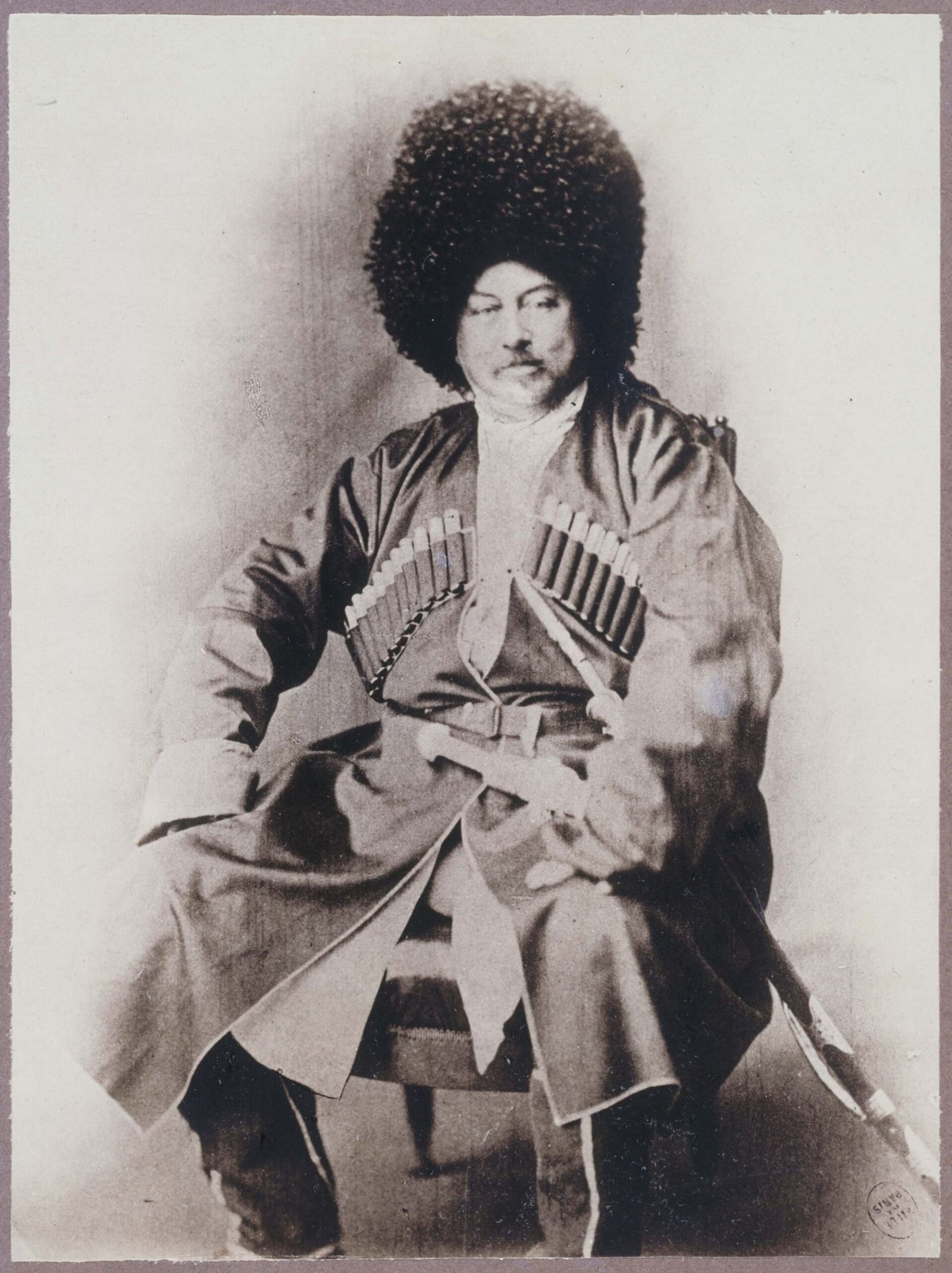
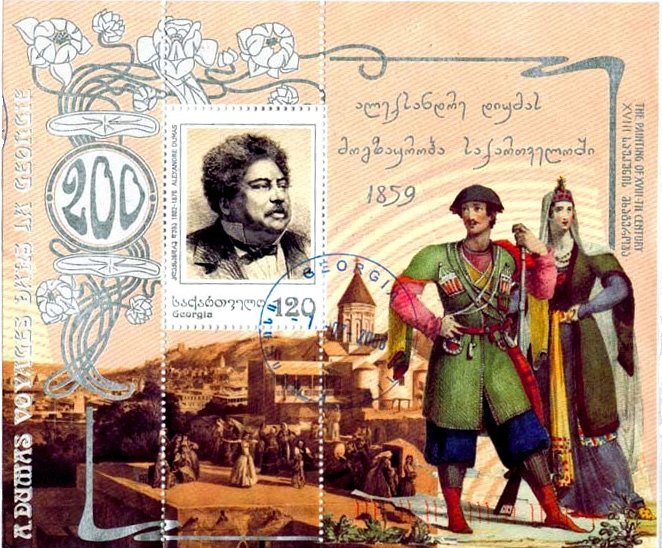
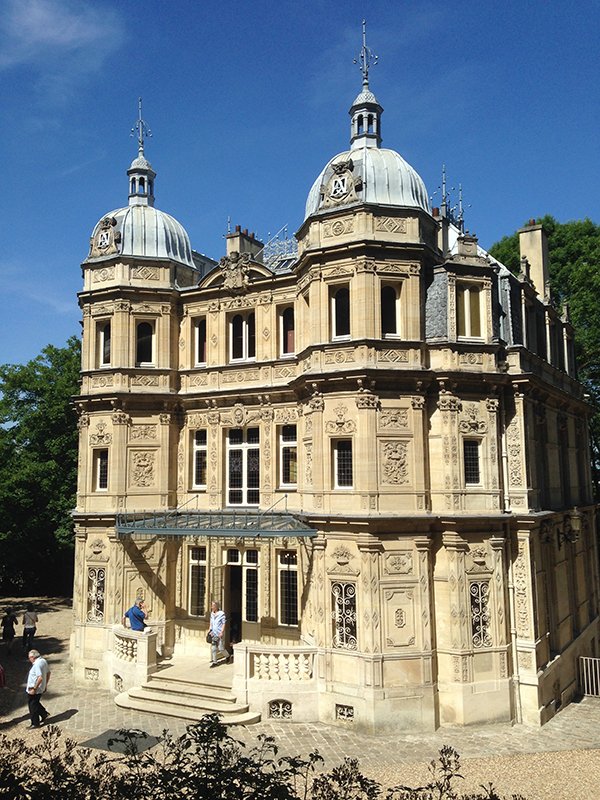
With the money he earned from publishing his novels, Dumas purchased land and built the Château de Monte Cristo in Port Marly, Yvelines, France. This home (which is now a museum) was intended to be a sanctuary for the author, and he spent much of his time writing and entertaining there before debt overtook him, forcing him to sell the property. He fled to Belgium in 1851, and later to Russia, to evade creditors. Dumas continued to publish books, including travel books on Russia, during his period of exile.”
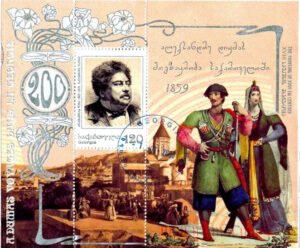
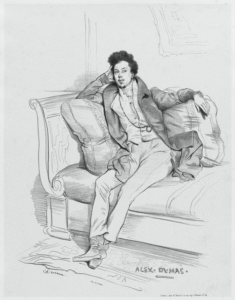
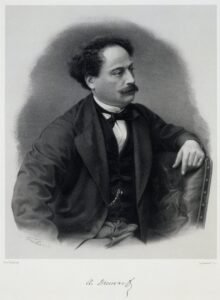

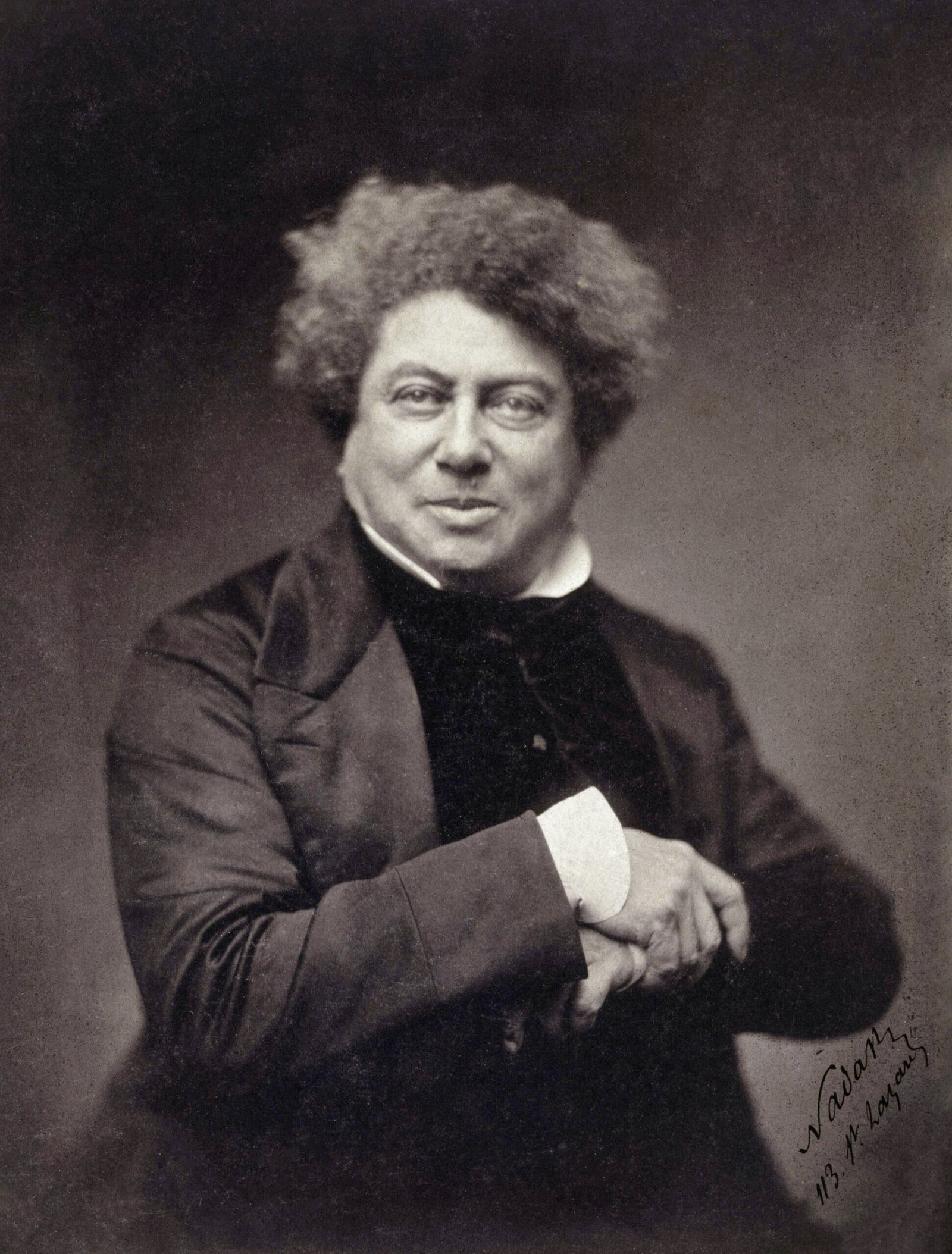

Two Revolutions (France & Italy)
On March 1, 1848, Dumas wrote in La Presse, “Yes, what we see is beautiful, what we see is great. Because we see a republic, and until today we have only seen revolutions.”
« Oui, ce que nous voyons est beau, ce que nous voyons est grand. Car nous voyons une république, et, jusqu’aujourd’hui, nous n’avions vu que des révolutions. »
From Le Monde diplomatique:
“Dumas, born in 1802, is the son of a general of the Revolution that Napoleon Bonaparte will eventually dismiss, grandson of a slave and a marquess, and contemporary of the sad end of the Three Glaorious Years and of the Second Republic. If there is no hesitation with him about the correctness of the republic, there is indeed a “question” of the revolution: on what it implies, a mixture of the “sublime” and atrocities, and what it generates. The revolutionary suite Mémoires d’un Médecin, which brings together four serialized novels between 1846 and 1852, testifies with jubilation to this tension between enthusiasm and horror….
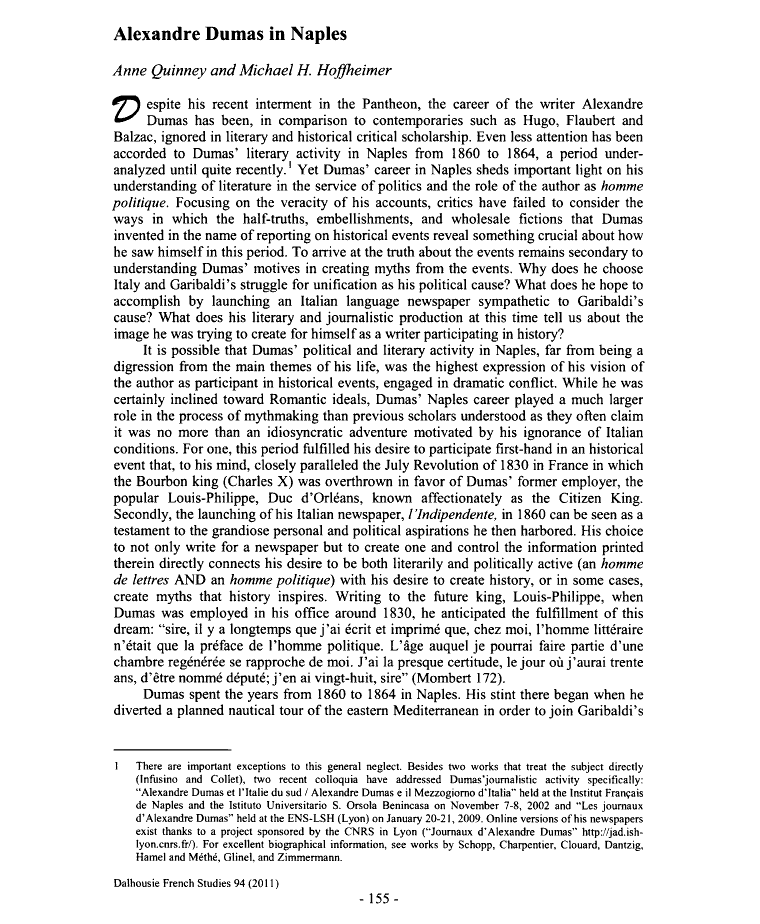
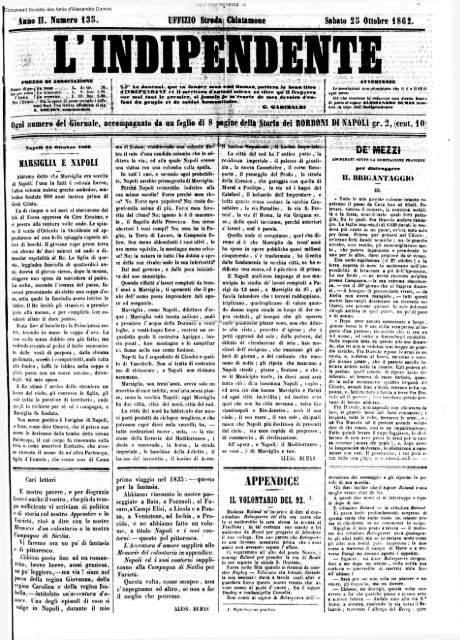
It is the Italian general Giuseppe Garibaldi who will lead Dumas to reconcile with the revolution. The writer bought weapons to support the Garibaldian enterprise, and in 1860 supported the expedition of the Thousand, which aimed to bring down the monarchy of the Two Sicilies. He will stay three years in Naples, from 1861 to 1864, as director of excavations and museums. He created a newspaper, L’Indipendente, to accompany the new regime, and there published, from 1862 to 1864, in serial and in Italian, this History of the Bourbons of Naples today published for the first time in France under the title The Two Revolutions. Paris (1789) and Naples (1799).” [Read more…]
By Jeff Matthews from Naples Life, Death & Miracles
“Dumas’ dislike for Bourbon monarchies (whether French or the Neapolitan version on whom he blamed the death of his father) crops up much later in 1860. By this time, Dumas was outrageously famous and decided to put his outrageous fame at the disposal of Mr. Swashbuckle, himself, Giuseppe Garibaldi, a character whom Dumas would have been forced to invent for one of his many adventure novels had he (Dumas) not already met him (Garibaldi) and found out that such persons really do exist. Dumas gathered up one of his many young lady friends and sailed his yacht, the Emma, down to Sicily to join Garibaldi’s famous One Thousand on their way to oust the Bourbons of Naples and unite Italy.” [Read more…]
Dealing with Racism
The following excerpt is also taken from the prologue of, “The Black Count: Napoleon’s Rival, and the Real Count of Monte Cristo – General Alexandre Dumas” by Tom Reiss [Amazon.com]
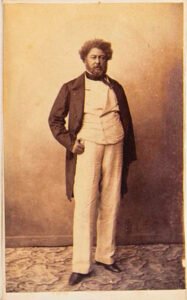
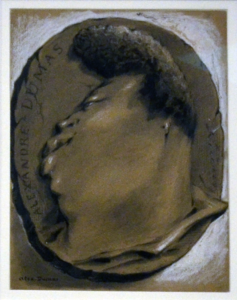
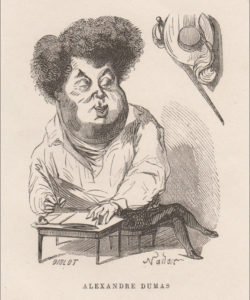
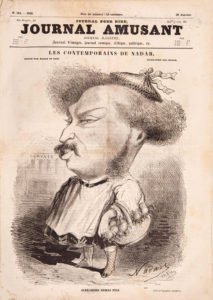
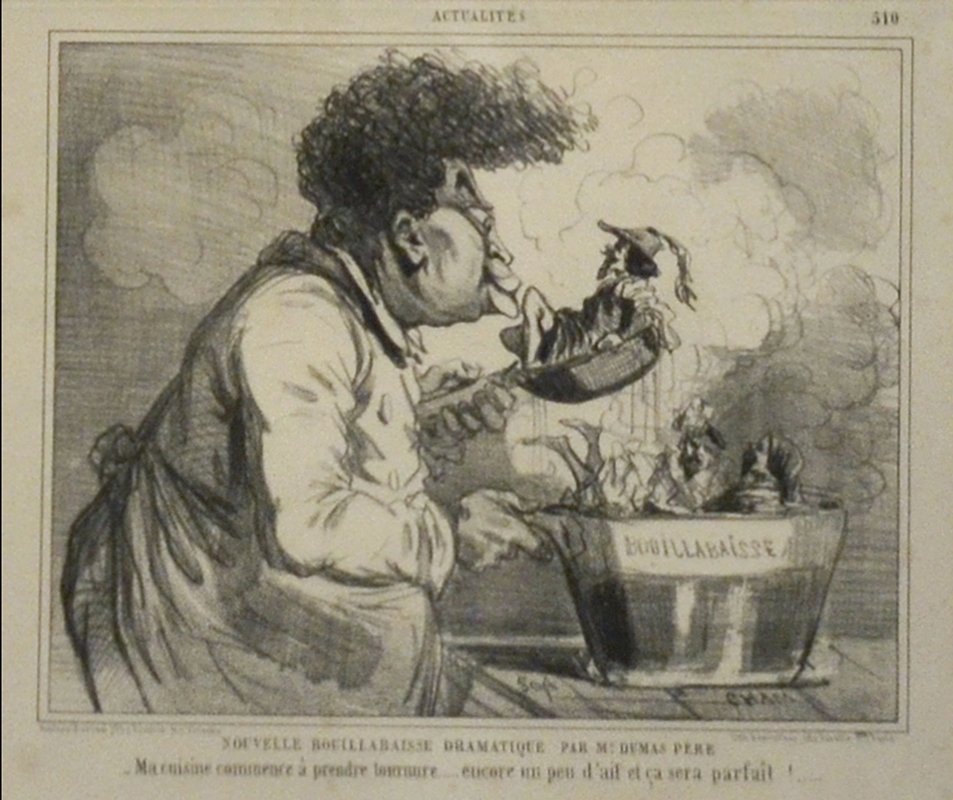
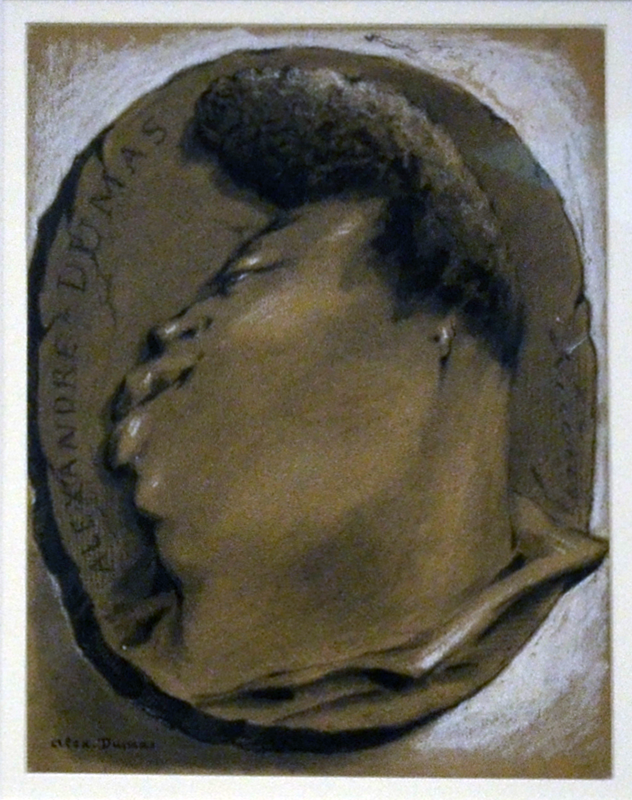
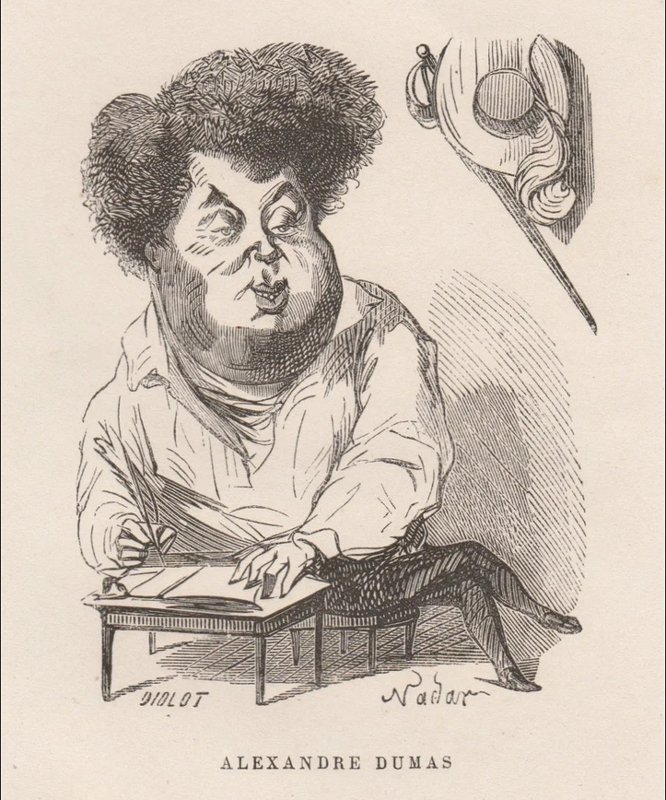
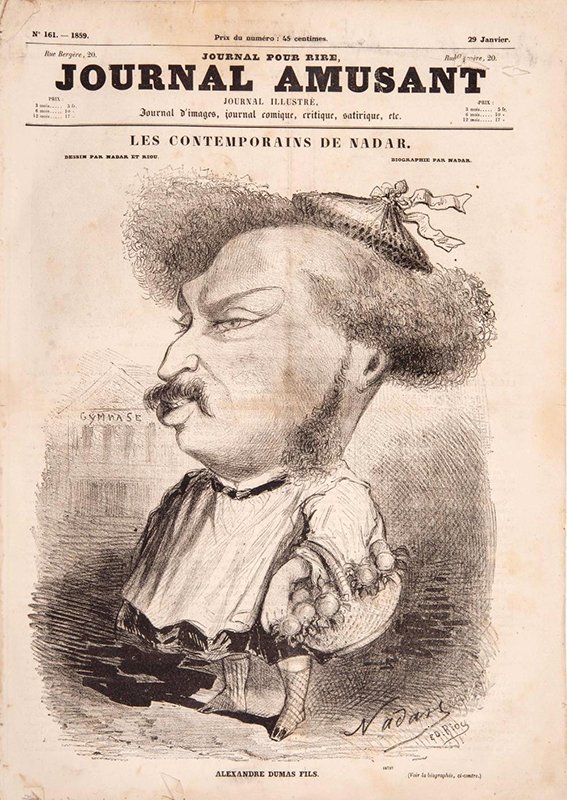
“The writer Dumas grew up in a very different world from that of his father – a world of rising, rather than diminishing, racism. His fellow novelist [Honoré de] Balzac referred to him as “that negro.” After the success of The Three Musketeers and The Count of Monte Cristo, critics launched an endless, damaging public attack on Dumas, mocking his African heritage. He was a black-skinned tropical weed in the literary soil of France…
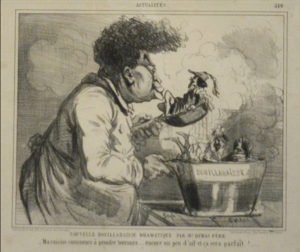
Newspaper artists in the 1850s depicted the novelist with a succession of racist clichés, mocking his literary efforts….
The novelist tried to make light of the racist insults, but they must have stung. The greatest sin of all, however, was that his father, General Alex Dumas, was forgotten. The son never managed to discover the full truth about his father,…but he avenged his father in another way, but creating fictional worlds where no wrongdoer goes unpunished and the good people are watched over and protected by fearless, almost superhuman heroes – heroes, that is, a lot like Alex Dumas.”
His response to a man who insulted him about his African ancestry has become famous. Dumas said: “My father was a mulatto, my grandfather was a Negro, and my great-grandfather a monkey. You see, Sir, my family starts where yours ends.” [read more…]
The Château de Monte-Cristo
“When an architect informed Alexandre Dumas that it would cost several hundred thousand francs to create the elaborate English-style estate he envisioned, the high-living French writer is said to have replied, “I certainly hope so!” Built in 1846, his fanciful country retreat in the hills of Le Port-Marly, some 12 miles west of Paris, reflects the vivid imagination Dumas employed on the pages of the best-selling novels that made him famous: The Three Musketeers, The Count of Monte-Cristo, The Man in the Iron Mask and other intriguing adventure stories.
He named his grand estate the Château de Monte-Cristo, and a visit to it begins with a walk along a wooded path and through man-made caves evocative of the exotic island grottos his hero Edmond Dantès explores while searching for hidden treasure in the castle’s namesake novel…
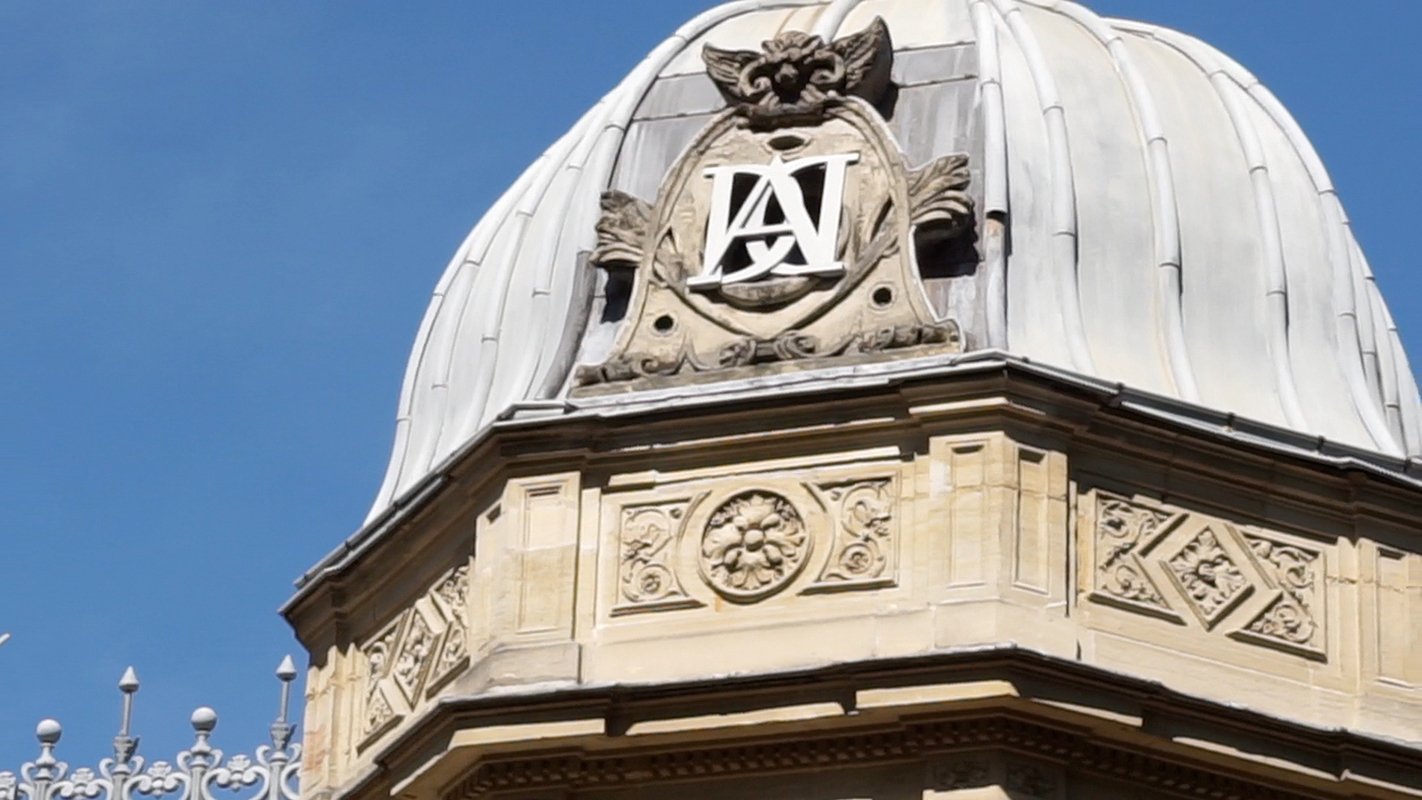
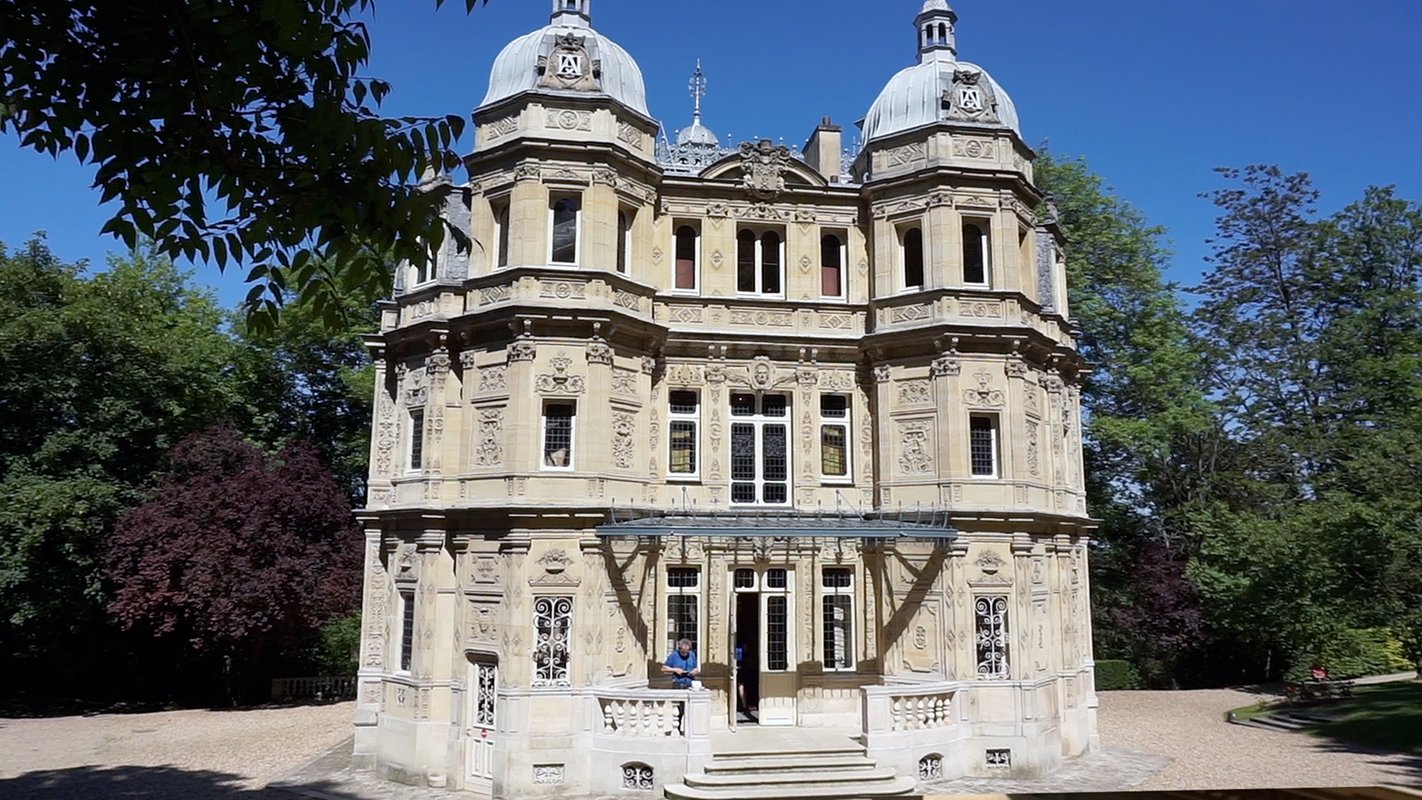
The centerpiece of the domain is the three-story, Gothic-and-Renaissance-style château, its delicate ornamentation and scrollwork giving it the appearance of a pastry confection made of stone. The facade is covered with carved motifs of flora and strange fauna, angels and musical instruments. Two domes bear Dumas’s intertwined initials, and above the entrance is a sculpture of his face and the inscription J’aime qui m’aime (I love those who love me).
Château d’If
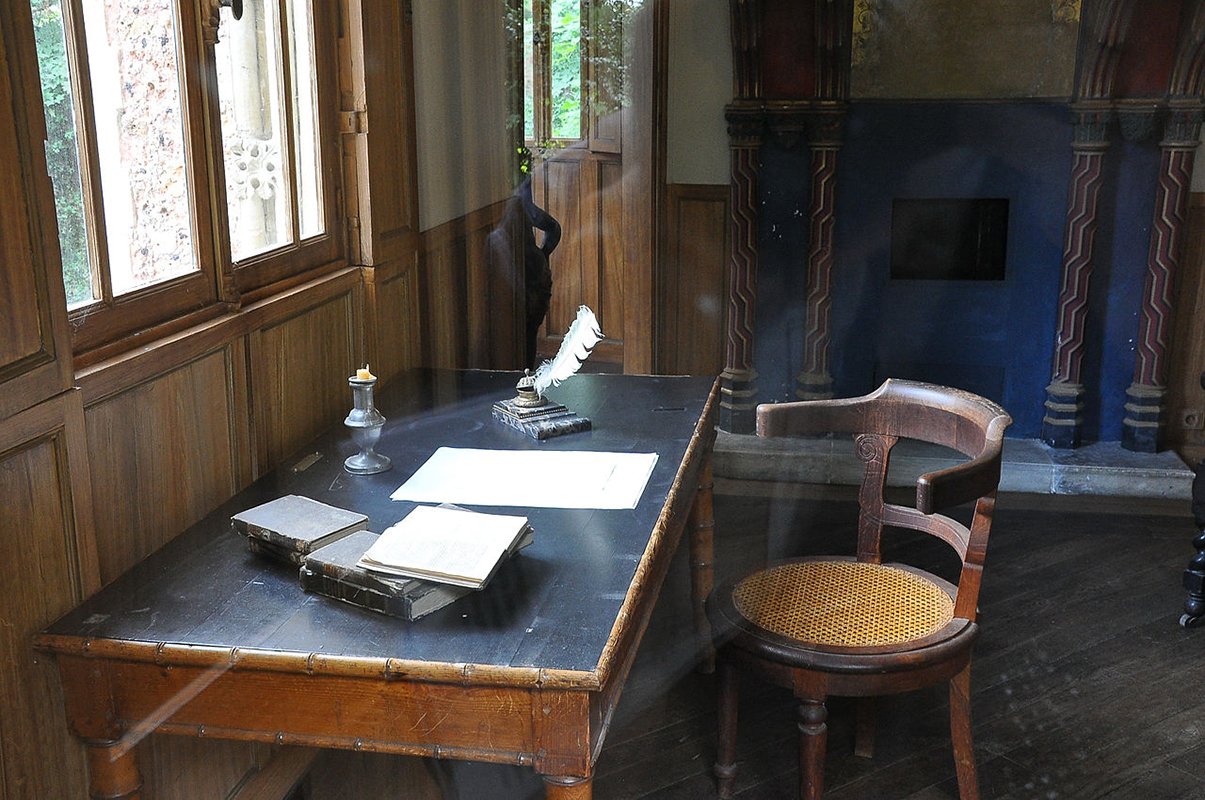
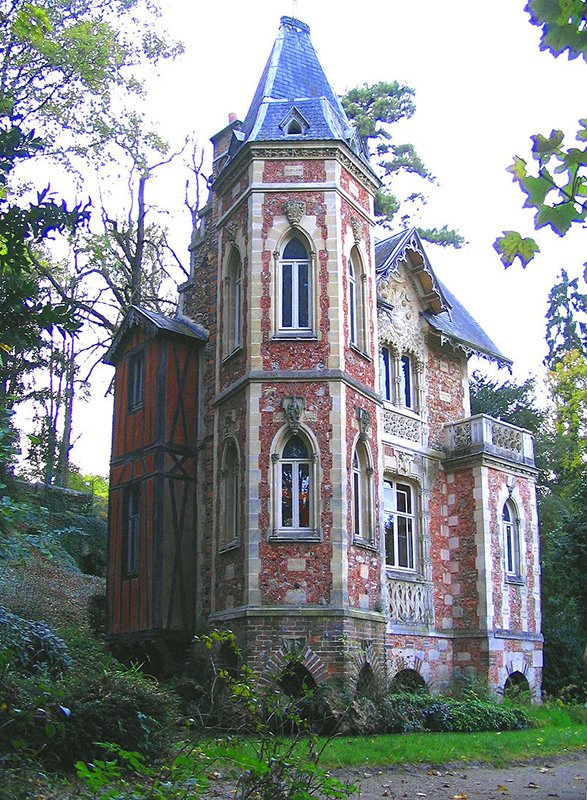
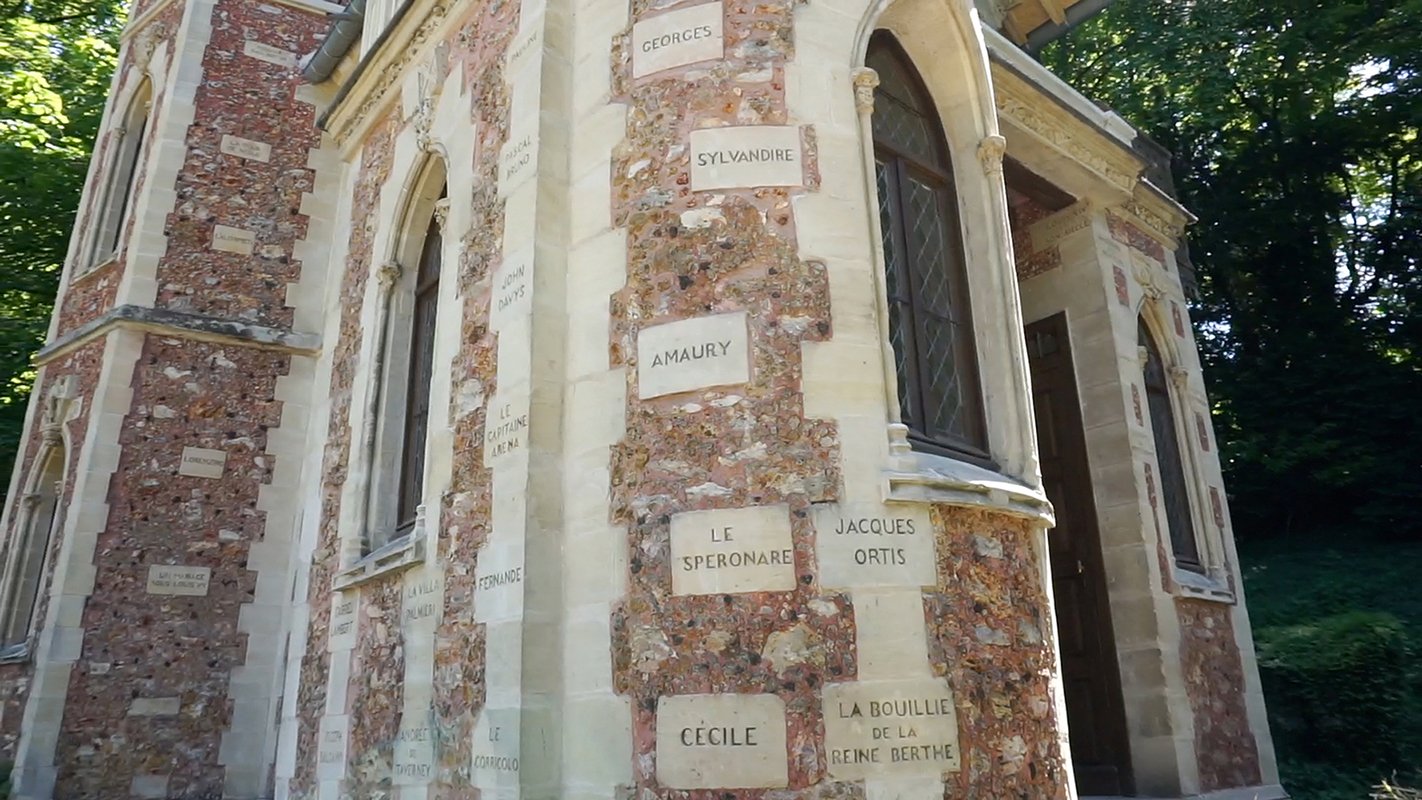
Opposite the petite castle is a hill with a gentle waterfall that Dumas insisted be added to the grounds. Sitting on the rise above the waterfall is a small neo-Gothic pavilion, surrounded by a tiny moat, that Dumas had built as his office. He humorously dubbed his workspace the Château d’If, after the notorious prison in The Count of Monte-Cristo—in fact a very real island fortress off Marseille…The eccentric little red brick and white stone edifice, with its pointy gabled roof, became his own personal fortress when he wanted to write undisturbed, and the titles of his novels, plays and travel diaries are carved into its exterior walls.
“I have created here a miniature paradise on earth,” boasted Dumas upon the completion of the Château de Monte-Cristo, and word soon spread about his storybook castle and gardens. With their curiosity piqued by rumors of its extravagance and eccentricity, the Parisian elite was eager to see the author’s masterpiece for themselves. In 1847, when 50 invitations for a housewarming party were sent out, an estimated 600 people turned up. After that, Dumas regularly held fêtes at the château, entertaining writers, actors and other illustrious guests including Victor Hugo, George Sand and Honoré de Balzac, who, in a letter to his companion Madame Hanska, described the Château de Monte-Cristo as “one of the most delicious follies ever created”. [Read more…]






Death (1870) & Honor at the Panthéon (2002)
Sadly, Alexandre Dumas died on December 5, 1870 after suffering from a heart attack. He was buried in the cemetery of Villers-Cotterêts in France. In 2002, French President Jacques Chirac ordered Alexandre Dumas to be honored in the Pantheon in Paris. President Chirac acknowledged that racism had been a problem in France. He declared that the re-interment of Dumas’ body in the Pantheon was a way of correcting that wrong. The ceremony was filled with the utmost pomp and circumstance to inter Alexandre Dumas’ body in the Panthéon of Paris. Dumas now shares his final resting place with France’s most distinguished French citizens such as Voltaire, Rousseau, Victor Hugo, Émile Zola, Jean Moulin and Marie Curie.
“No figure in this century has exceeded the popularity of Alexandre Dumas. His successes were not merely successes, he made them triumphs ; they had the brilliance of the brass band about them…” Victor Hugo [read more…]
★ If you’d like to read President Chirac’s official statement (in French): “Déclaration de M. Jacques Chirac, Président de la République, à l’occasion du transfert des cendres d’Alexandre Dumas au Panthéon, Paris le 30 novembre 2002.”
★ If you’d like to watch his address during the ceremony (also in French): Discours de Jacques Chirac : hommage à Alexandre Dumas
Crochet Musketeer
Visit our Crochet Shop for handmade toys & FREE patterns.


Deep dive
Learn more…
★ The Author of “The Count of Monte Cristo” Was Black
★ Alexandre Dumas (Biography)
★ Alexandre Dumas books in order
★ Alexandre Dumas The world’s greatest story teller
★ Naples Life, Death & Miracles by Jeff Matthews
★ The Italian Connection: when Dumas helped Garibaldi unify Italy
★ Garibaldi and Dumas: When History and Literature United to Change a Nation
★ France’s most famous author led a life worthy of one of his own stories
★ Why was Victor Hugo Exiled?
★ Artos, Portos, the Château d’If, Tom, Jerry, A. Dumas & Naples
★ France remembers ‘forgotten’ Dumas
★ Alexandre Dumas in Naples
★ Château de Monte-Cristo
★ Join the Friends of Dumas Society (French)
★ Alexandre Dumas in Naples (Bella Napoli)
★ Une histoire du racisme : le troisième Dumas
★ Le général Dumas, vie héroïque
★ Alexandre Dumas un écrivain aux talents multiples !
★ Slavery in the French Colonies: Le Code Noir (the Black Code) of 1685
★ Paris museum renames masterpieces after black subjects
★ Black Paris Tours
★ The Condemnation of Blackness: Race, Crime, and the Making of Modern Urban America by Khalil Muhammad (book)
Free comics!